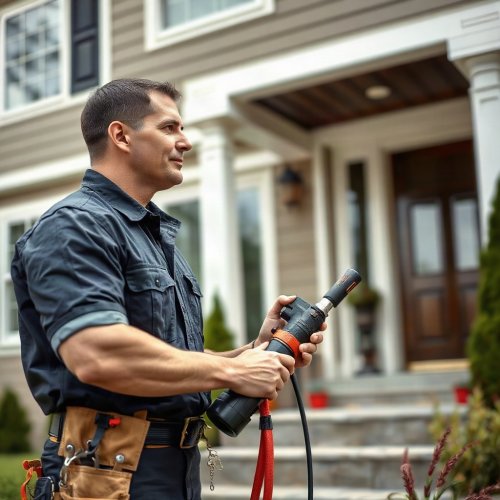
{{ $json.selected_topic }} in New Orleans Homes
Master plumber guide to diagnosing, safely triaging, and repairing {{ $json.selected_topic }} in historic New Orleans properties.


Understanding {{ $json.selected_topic }} in New Orleans Plumbing Systems
Dealing with {{ $json.selected_topic }} requires an immediate understanding of the underlying physical mechanics governing your home's water and drainage network. Whether driven by sudden hydraulic pressure fluctuations, thermal expansion in vintage water heaters, or shifting alluvial soils typical throughout Orleans Parish, identifying the root cause prevents catastrophic water damage. In many cases, homeowners mistake a localized symptom for a major system failure, or conversely, underestimate a slow-developing leak hidden beneath pier-and-beam foundations.
To properly diagnose {{ $json.selected_topic }}, you must isolate whether the issue is confined to a single plumbing fixture, affecting a localized branch line, or originating from the main building sewer or water supply line. Historic New Orleans properties—including elevated shotgun houses and classic Creole cottages—often feature a complex mix of aging cast-iron, galvanized steel, and newer PVC or PEX lines. Understanding how these materials react to local environmental conditions is the first step toward effective mitigation.
Trade Secrets and Environmental Factors in New Orleans
Experienced local plumbers know that regional environmental factors play a massive role in plumbing performance. New Orleans sits on high water tables with saturated, shifting alluvial soils that place constant stress on underground lateral lines. Furthermore, water traveling from structural joists can often appear feet away from the actual pipe breach due to gravity runs, misleading DIY troubleshooters.
Another overlooked issue involves vent stack restrictions. When roof vents become clogged with leaves, debris, or bird nests, they mimic physical drain clogs by creating airlocks and pulling water out of fixture traps. Additionally, understanding the difference between static water pressure (measured in PSI when no water is running) and dynamic flow rate (measured in GPM when multiple fixtures operate) helps diagnose sudden pressure drops without tearing open walls.
Safe Homeowner Triage vs. Dangerous DIY Boundaries
Knowing when to intervene and when to step back is critical for personal safety and property preservation. Homeowners can safely perform specific diagnostic checks, such as locating the main indoor water shutoff valve, reading the property's water meter to detect low-flow or hidden leaks, or performing simple dye tests inside toilet tanks to check for silent flapper leaks.
However, strict boundaries must be maintained to prevent injury or severe property damage:
- Never unthread sewer cleanout caps if you suspect liquid head pressure or a complete downstream blockage, as this can release contaminated wastewater into living spaces.
- Never attempt to service or modify gas flex lines connected to water heaters or appliances without proper licensing.
- Never touch electrical panels or wiring if standing in water from a flooded crawlspace or basement.
- Never pour corrosive chemical drain cleaners into vintage cast-iron drainage systems, as the chemical reaction can eat through weakened pipe walls.
Realistic Repair Approaches and Decision Support
When addressing {{ $json.selected_topic }}, repair strategies generally range from targeted spot clamp installations to full sectional pipe replacements or trenchless lining. The right choice depends heavily on pipe material accessibility, foundation type (slab-on-grade vs. crawlspace), and local municipal permit requirements.
| Diagnostic Indicator | Probable Cause | Recommended Action |
|---|---|---|
| Localized moisture near fixture | Gasket failure or supply line crack | Targeted seal replacement or spot repair |
| Slow drainage across multiple fixtures | Main sewer line obstruction or vent block | Professional camera inspection and snaking |
| Sudden pressure drop during peak hours | Municipal supply fluctuation or pressure regulator failure | Test static PSI at hose bibb |
Frequently Asked Questions
How can I tell if my plumbing issue is isolated or a main line problem?
If only one fixture drains slowly or leaks, the issue is typically isolated to that fixture's trap or branch line. If multiple fixtures on different floors or rooms experience simultaneous backups or pressure drops, the problem likely stems from the main building drain or primary water supply.
Why do older New Orleans homes experience frequent plumbing shifts?
New Orleans features high groundwater tables and soft, compressible alluvial soils. As soil moisture levels fluctuate between heavy rain events and dry periods, the ground shifts, placing physical stress on rigid underground pipes and vintage cast-iron systems.
Is it safe to use chemical drain cleaners on historic pipes?
No. Chemical drain cleaners generate extreme heat and use harsh acids or lye that rapidly accelerate the degradation of aging cast-iron and galvanized steel pipes commonly found in historic New Orleans architecture.
Where is my main water shutoff valve typically located?
In New Orleans homes, the main indoor shutoff valve is usually located near the perimeter wall where the water line enters the house, often near the front water heater closet, crawlspace access point, or utility room. If unavailable indoors, the municipal curb stop is located in the street-side meter box.
What causes a water pipe to sweat during humid Louisiana summers?
Condensation forms on cold water supply pipes when warm, highly humid ambient air contacts the cold pipe surface. While not a leak, persistent condensation can rot surrounding wooden joists and subfloors in unconditioned crawlspaces, requiring pipe insulation.