Clearing Main Sewer Line Tree Roots in New Orleans
Learn how tree roots infiltrate New Orleans sewer lines, physical mechanics of root growth, safe homeowner triage, and professional repair methods.


Understanding Main Sewer Line Tree Root Intrusion in New Orleans
Main sewer line tree root intrusion occurs when tiny hairline fractures or pipe joint seals in underground drainage lines weep moisture vapor, drawing aggressive tree roots toward the nutrient-rich interior of the sewer pipe. Once a root hair penetrates a microscopic opening, the constant supply of water, oxygen, and organic matter fuels rapid root proliferation, ultimately creating dense fibrous webs that trap toilet paper, grease, and solid waste.
In the unique geological and environmental conditions of New Orleans, Louisiana—characterized by high water tables, active alluvial soils, and mature native trees like live oaks and bald cypresses—underground drainage infrastructure faces constant shifting pressure. As the soil expands and contracts, older cast-iron and clay lateral lines frequently develop micro-cracks at the joints, giving root systems an easy entry point into your home's primary drainage path.
Diagnosing whether a blockage is fixture-specific, a branch line issue, or a main building sewer line problem relies on observing multiple plumbing fixtures. If only a single bathtub drains slowly, the issue is isolated to that fixture's trap or branch arm. However, when flushing a toilet causes wastewater to back up into the shower pan, or running the washing machine causes gurgling sounds in the primary floor drain, the restriction resides deep within the main sewer lateral where tree roots have choked the pipe diameter.
Overlooked Trade Secrets on Root Growth and Subsurface Mechanics
Standard plumbing guides often suggest that a simple mechanical snaking session permanently resolves root blockages. In professional field practice, however, pushing a rotating steel auger through a root-choked pipe merely punches a temporary hole through the mass. The remaining root tissue left clinging to the pipe walls rapidly regenerates, often returning within a few months to recreate a full-scale blockage.
Furthermore, chemical root killers sold in retail stores frequently wash past the root mass too quickly to kill the root system at its source, and harsh chemical oxidizers can accelerate the deterioration of vintage cast-iron or fragile Orangeburg pipe walls commonly found in older local properties. In New Orleans' high-moisture deltaic soils, a temporarily cleared drain line can mask an underlying structural failure where the pipe has completely collapsed or offset due to soil subsidence beneath the slab or crawlspace.
Another frequently misunderstood mechanical principle is how stack venting interacts with root blockages. When dense roots restrict the lower sewer lateral, flushing a toilet forces air down the pipe ahead of the water column. If the air cannot vent outward through the municipal sewer main because of the root plug, it pushes back up through branch lines, creating vacuum surges that pull water out of fixture P-traps and allowing sewer gas into living spaces.
Safe Homeowner Triage Versus Dangerous DIY Boundaries
Property owners can perform several safe, non-invasive diagnostic steps before calling a professional plumber to evaluate a suspected root intrusion:
- Water Meter Low-Flow Test: Ensure all indoor and outdoor faucets are completely closed, then check the low-flow indicator triangle on your water meter to rule out active pressurized supply leaks.
- Main Cleanout Inspection: Locate the exterior sewer cleanout (usually found near the foundation exterior wall or property line) to check if the cap is weeping wastewater, indicating an obstruction downstream.
- Systemic Fixture Mapping: Document which lower-level drains gurgle or back up when running water in upper stories to map the hydraulic gradient of the blockage.
Explicit Safety Warnings: Never attempt to unthread or remove a main sewer cleanout cap if you suspect a complete downstream blockage under liquid head pressure; pressurized wastewater and biohazardous material can spray violently and cause severe injury. Avoid using high-strength acid drain cleaners in vintage cast-iron or clay lines, as the exothermic reaction can crack brittle pipes and cause severe chemical burns. Never work on electrical panels or wiring in flooded basements, crawlspaces, or utility rooms affected by sewer overflows.
Realistic Repair Approaches and Decision Support
When addressing severe tree root infiltration, plumbing professionals utilize several progressive repair methodologies based on the structural integrity of the affected pipe:
| Repair Approach | Best Applied When | Operational Overview |
|---|---|---|
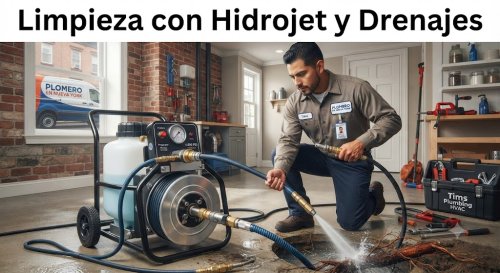
| Mechanical Snaking & Hydro Jetting | Roots are present, but pipe walls remain structurally intact without major offsets. | High-pressure water descaling strips roots clean from the pipe interior, restoring full diameter flow. |
| Spot Clamp / Sectional Repair | A localized break or severe root intrusion occurs at a single pipe joint. | Excavation or trenchless point repair isolates and replaces the damaged pipe section. |
| Trenchless Epoxy Pipe Lining | Existing pipe has widespread root intrusion but maintains continuous pitch and alignment. | An epoxy-saturated felt liner is inverted inside the old pipe and cured in place, sealing out roots permanently. |
| Full Lateral Replacement | Pipes have collapsed, severely bellied, or suffered total structural failure from soil movement. | Complete excavation and installation of modern Schedule 40 PVC sewer lines meeting local code requirements. |
Cost factors and repair timelines in the New Orleans area vary significantly based on site-specific logistics. Pier-and-beam foundations common in historic shotgun houses provide crawlspace access that simplifies under-floor lateral repairs, whereas monolithic concrete slabs require concrete cutting and soil tunneling. Additionally, local parish permit requirements and the depth of the municipal sewer main dictate whether specialized traffic control or deep excavation shoring is necessary.
Frequently Asked Questions About Sewer Line Tree Roots
How do I know if tree roots are in my main sewer line?
Common indicators include slow-draining sinks and tubs throughout the house, gurgling sounds from toilets when washing machines drain, wastewater backing up into lowest-level floor drains, and unpleasant sewage odors around the yard near large trees.
Can chemical root killers permanently destroy tree roots inside a sewer pipe?
Chemical treatments can kill roots growing inside the pipe upon direct contact, but they do not remove the physical root mass blocking the flow, nor do they stop new roots from entering through structural cracks in aging pipe joints.
Will homeowners insurance cover sewer line damage caused by tree roots?
Standard homeowner insurance policies typically exclude damage caused by tree roots, ground settling, or normal wear and tear on underground service lines, though specific endorsement riders or utility line protection plans may cover sudden pipe breaks.
How can a plumber verify if tree roots have broken my pipes?
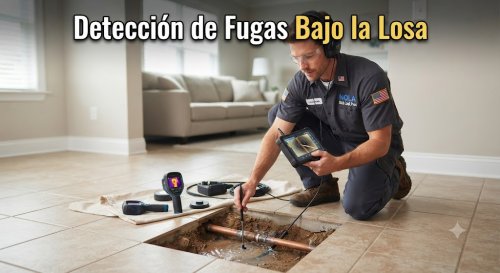
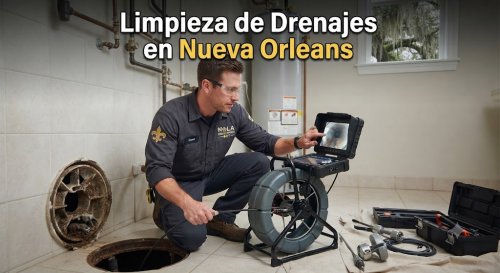
Plumbers utilize a waterproof fiber-optic sewer camera inserted through an accessible cleanout to visually inspect the interior of the pipe, identifying exact distances, joint separations, structural collapses, and root entry points.
Are clay pipes more susceptible to tree root intrusion than PVC pipes?
Yes. Older clay tile pipes feature numerous mortar-sealed joints that easily degrade over time, allowing moisture to seep out and tree roots to push inward. Modern PVC pipes feature solvent-welded or rubber-gasketed joints that create a watertight, root-resistant barrier.
How often should a sewer line with chronic tree root issues be cleaned?
If structural pipe replacement or trenchless lining is not immediately feasible, properties with aggressive nearby trees generally require professional mechanical cleaning or hydro jetting every 12 to 18 months to prevent emergency backups.