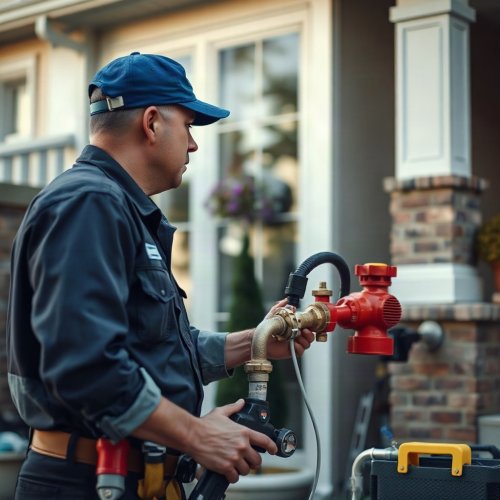
Common Causes of Low Water Pressure in New Orleans Historic Homes
Discover why older properties in New Orleans experience low water pressure, from galvanized pipe corrosion to municipal supply issues, and learn how to address it.


Understanding Low Water Pressure in New Orleans Historic Properties
New Orleans is famous for its stunning architecture, from Creole cottages in the Marigny to historic raised center-hall homes in Uptown. However, these architectural treasures come with aging infrastructure. When you turn on the shower or kitchen sink and experience a weak trickle instead of a steady stream, it can be deeply frustrating. Low water pressure is a common complaint among local homeowners, and diagnosing the root cause requires understanding how both municipal supply lines and vintage interior plumbing interact.
As an experienced plumbing professional working across the area, I frequently encounter water pressure issues tied directly to the age and unique characteristics of local properties. Whether you live near the Mississippi River or further back toward the neutral grounds, identifying whether the pressure drop is isolated to a single fixture or affecting the entire house is the first step toward a lasting solution.
1. Galvanized Steel Pipe Corrosion
One of the primary culprits behind low water pressure in older New Orleans houses is the presence of legacy galvanized steel supply piping. While modern construction utilizes copper, PEX, or PVC, many properties built decades ago still rely on or contain remnants of galvanized iron pipes.
Over many years, minerals in the water and chemical reactions cause rust and scale to accumulate inside these metal pipes. As the internal diameter narrows, water flow is severely restricted. This restriction often manifests as decent pressure when a single tap is open, but a dramatic drop as soon as a second fixture, such as a toilet or washing machine, is used elsewhere in the home.
2. Sediment and Mineral Buildup in Fixtures
Not all low water pressure issues stem from major pipe failures. Sometimes, the problem is localized right at the point of use. Aerators on kitchen and bathroom faucets, as well as showerheads, collect mineral deposits, sand, and debris over time.
Because local water passes through extensive municipal treatment systems before reaching your taps, minor particulates can travel through the lines and get trapped in fine mesh screens. Unscrewing a faucet aerator and finding it clogged with sediment is a frequent and easily solvable issue that instantly restores normal flow.
3. Pressure Regulator (PRV) Malfunctions
Many residential properties feature a Pressure Reducing Valve (PRV) installed where the main water supply line enters the building. This device protects your interior plumbing from excessively high pressure surges originating from the city mains.
When a PRV fails—often due to a worn internal spring or diaphragm—it can become stuck in a partially closed position. This effectively chokes the volume of water entering your home, resulting in a sudden and uniform drop in water pressure across all bathrooms and kitchens.
4. Aging Municipal Infrastructure and Supply Fluctuations
Sometimes the issue originates outside your property line. New Orleans has an extensive and aging underground water distribution network managed by local authorities. Main breaks, scheduled maintenance, or localized high-demand periods can cause temporary pressure drops across entire neighborhoods.
If your neighbors are experiencing similar symptoms at the exact same time, the root cause is likely municipal rather than internal. Checking for active utility advisories or monitoring whether the pressure returns to normal later in the day can help confirm an external cause.
5. Hidden Leaks Behind Walls or Under Slabs
A sudden drop in water pressure can occasionally signal a major leak. If a pressurized supply line cracks or develops a pinhole leak underground or behind plaster walls, water escapes before it reaches your fixtures, lowering the overall system pressure.
Homeowners should monitor their water meters when no taps are running to check for continuous movement, which strongly indicates a hidden leak requiring professional leak detection services.
Practical Steps for Homeowners
Before calling for professional help, you can perform a few basic checks:
- Test multiple faucets and showers throughout the house to see if the issue is universal or localized.
- Inspect and clean faucet aerators and showerheads to remove trapped mineral scale.
- Verify that the main water shutoff valve near your meter or entry point is fully open.
- Consult with nearby neighbors to determine if they are experiencing similar pressure reductions.
If cleaning aerators and verifying valves does not resolve the issue, and your home still contains vintage galvanized piping or a faulty pressure regulator, bringing in a licensed professional to evaluate your plumbing system is the safest and most efficient path forward.