Common Causes of Low Water Pressure in New Orleans Historic Homes
Discover why older properties in New Orleans experience low water pressure, from aging galvanized pipes to scale buildup, and learn practical solutions.

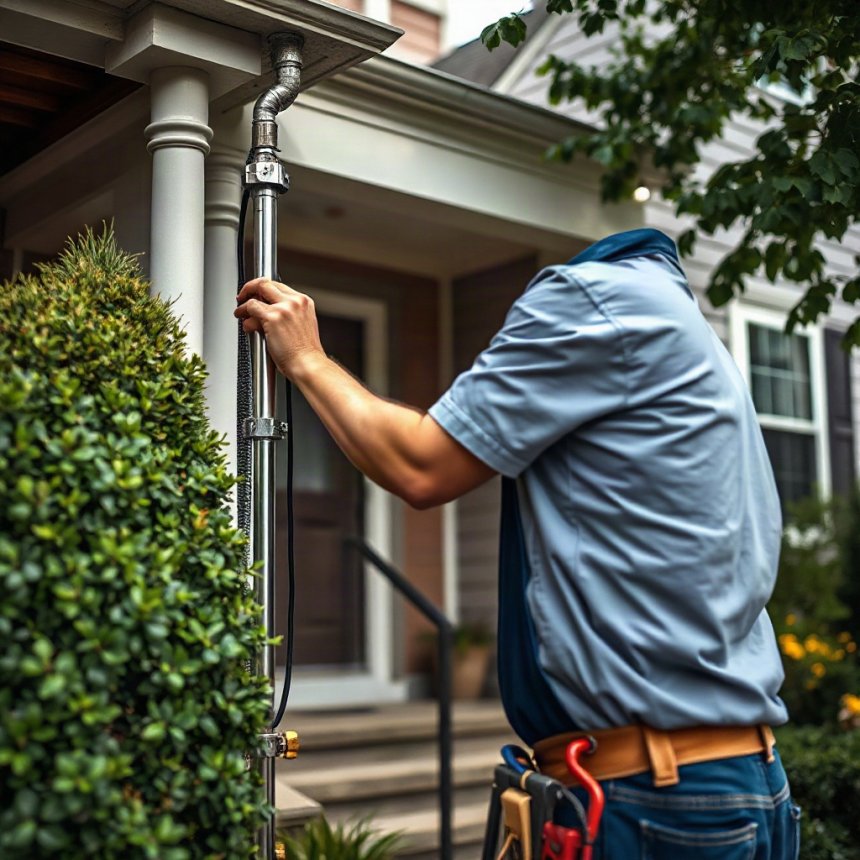
Understanding Low Water Pressure in Historic New Orleans Properties
Stepping into a historic New Orleans home—whether it is a classic Creole cottage in the Marigny, a center-hall cottage in Uptown, or a raised shotgun in Mid-City—offers an undeniable architectural charm. However, maintaining the modern conveniences within these century-old structures often presents unique challenges. One of the most frequent complaints homeowners and property managers voice is a frustrating drop in water flow at the showerhead, kitchen sink, or laundry hookup.
Low water pressure is rarely just a minor inconvenience; it can be an early warning sign of deteriorating plumbing infrastructure hidden behind plaster walls or beneath raised foundations. Because local water supply systems and historical building methods differ significantly from modern construction, diagnosing pressure issues requires an understanding of both local municipal conditions and aging pipe materials.
1. Heavy Mineral Scale Buildup in Aging Galvanized Pipes
Many older homes in New Orleans still retain remnants of original or mid-20th-century galvanized steel piping. Over decades of service, the interior walls of galvanized pipes naturally corrode and accumulate mineral scale, iron deposits, and sediment.
- Warning Signs: Gradually decreasing water flow across multiple fixtures, discolored or brownish water when first turning on a tap, and sudden sputtering from faucets.
As the mineral buildup thickens, the inside diameter of the pipe shrinks drastically, choking off the volume of water that can pass through. In severe cases, replacing sections of corroded galvanized pipe with modern PEX or copper piping is the only permanent solution to restore proper pressure.
2. Partially Closed Shut-Off Valves and Meter Issues
Sometimes the culprit behind low water pressure is remarkably simple and mechanical rather than structural. Main water shut-off valves, pressure-reducing valves (PRVs), and individual fixture supply valves can slip out of alignment.
Historic properties often feature older gate valves or curb stops that may have been partially closed during past maintenance or emergency repairs and never fully reopened. Additionally, municipal supply lines managed by the Sewerage & Board of New Orleans (SWBNO) can experience fluctuations or meter-side restrictions that impact overall property pressure.
3. Undetected Slow Leaks in Supply Lines
A sudden or progressive drop in water pressure can indicate that water is escaping somewhere along your supply network before it reaches your fixtures. Because many New Orleans homes are built on raised piers or historic brick foundations, minor pinhole leaks in supply lines can go unnoticed for weeks, quietly draining pressure from the system.
Property owners should monitor their water meters when all indoor and outdoor fixtures are turned off. If the low-flow indicator dial is spinning, a hidden water leak is likely sapping your system's pressure.
4. Sediment-Clogged Aerators and Fixture Cartridges
Not all low-pressure issues originate deep within the plumbing skeleton. Local water conditions can carry fine sediments that accumulate in faucet aerators and showerhead nozzles over time.
Before assuming you have a major plumbing failure, unscrew the aerator tip from your kitchen or bathroom faucet. Clearing out trapped grit and mineral deposits is a quick maintenance task that frequently restores a strong, even stream instantly.
Frequently Asked Questions
Why is low water pressure worse during certain times of the day in New Orleans?
Municipal water demand fluctuates across different neighborhoods throughout the day. High neighborhood usage periods can temporarily drop municipal supply pressure, which becomes much more noticeable in homes with narrow or partially obstructed interior pipes.
Are historic New Orleans homes required to upgrade their old pipes?
While historic preservation guidelines protect the exterior and architectural integrity of older structures, interior plumbing systems are generally required to meet current building and safety codes whenever major remodeling or repiping work is performed.
How can I tell if my pressure-reducing valve (PRV) is failing?
If your water pressure drops dramatically across the entire house all at once—or conversely, spikes dangerously high—the PRV may have failed internally and require adjustment or replacement by a qualified professional.