Water Heater Sediment Flushing & Maintenance Guide
Learn how mineral sediment buildup impacts water heaters in New Orleans, explore step-by-step flushing, and understand when to call a professional.


Understanding Water Heater Sediment Mechanics and Mineral Deposition
Water heater sediment accumulation is an inevitable chemical process driven by hard water minerals, primarily calcium carbonate and magnesium, precipitating out of solution as water is heated. When municipal water enters a storage-tank water heater and undergoes thermal expansion, these dissolved solids lose their solubility. Because gravity pulls the heavier particulate matter downward, minerals settle at the bottom of the steel tank directly over the primary burner in gas units or the lower electric heating element.
This mineral layer acts as a thermal barrier between the heat source and the water volume. As the sediment thickness increases, the burner or electric element must run significantly longer to transfer the same amount of heat to the water. This extended thermal cycle overheats the steel tank floor, causing the characteristic rumbling, popping, or banging noises as trapped water boils underneath the mineral crust. Over time, localized overheating accelerates glass-lining degradation, leading to premature tank failure and catastrophic leaks.
From a diagnostic standpoint, sediment issues generally remain confined to the water heater tank itself rather than branching out into the whole-house plumbing system. However, heavy mineral accumulation can migrate downstream when flow rates spike, partially clogging aerators, shower cartridge mixing valves, and thermostatic mixing valves, mimicking a broader supply-line restriction.
Overlooked Trade Secrets: Thermal Dynamics and New Orleans Water Conditions
Standard DIY guides often present tank flushing as a simple annual chore, but experienced New Orleans plumbers understand that local environmental and municipal factors complicate this maintenance task. New Orleans water supplies carry distinct mineral profiles that react aggressively under high ambient humidity and variable ground temperatures.
- The Myth of Single-Pass Flushing: Simply opening the drain valve rarely removes the compacted, pancake-like mineral cakes that form directly above the burner. Without breaking up the sediment mass using specialized flexible brush probes or pressure-pulsing techniques, a standard drain-and-fill leaves behind enough material to continue insulating the tank floor.
- Thermal Expansion and Closed Systems: Modern plumbing codes require thermal expansion tanks on closed-loop systems equipped with backflow preventers or check valves. When sediment restricts internal circulation and increases localized boiling, internal tank pressure spikes dramatically if the expansion tank has failed or waterlogged, risking relief valve failure.
- Anode Rod Depletion: The sacrificial anode rod (made of magnesium, aluminum, or zinc) is designed to corrode preferentially, protecting the steel tank walls. In regions with high total dissolved solids, this rod can deplete completely within three to five years. Once exhausted, electrochemical corrosion shifts entirely to the tank interior.
- The Dangers of Aging Gate Valves: Most older homes feature cheap brass or plastic gate valves on the cold water inlet and tank drain. These valves frequently fail to seat completely when manipulated, resulting in a continuous, slow leak that requires emergency valve replacement.
Safe Homeowner Triage vs. Dangerous DIY Boundaries
Performing basic preventive maintenance on a water heater requires balancing accessible homeowner tasks with high-risk mechanical operations that demand professional intervention.
- Locating and Testing Shutoffs: Always locate the cold water supply shutoff valve directly above the water heater before attempting any service. Test whether the valve operates smoothly. Do not force stuck valves, as shearing a valve stem in an older home creates an immediate indoor flood hazard.
- Checking the Temperature and Pressure (T&P) Relief Valve: Homeowners can visually inspect the T&P discharge pipe to ensure it runs downward to an approved floor drain or the exterior, terminating safely without threaded restrictions. However, manually lifting the T&P test lever on a neglected, decades-old tank is hazardous; mineral encrustation often prevents the valve from resealing, requiring immediate emergency replacement.
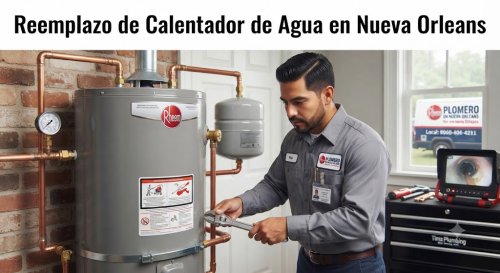
- Clearing Accessible Drain Valves: Hooking up a garden hose to the tank drain is safe, provided the area can handle hot water discharge. Never use excessive torque with wrenches on plastic drain spouts, as snapping the fitting shears the housing off the tank wall.
- Gas Line and Electrical Hazards: Never attempt to disconnect, modify, or repair gas flex lines, pilot assemblies, gas control valves, or 240-volt electrical junction boxes without proper licensing and diagnostic tools. Gas leaks and electrical shocks present severe safety hazards in damp utility rooms or elevated crawlspaces.
- Corrosive Chemical Cleaners: Avoid dumping harsh commercial acid descalers into standard storage tanks unless utilizing specialized closed-loop circulation pumps designed for tankless systems. Uncontrolled acid reactions can pit tank walls and destroy internal glass linings.
Realistic Repair Approaches and Decision Support
When sediment damage or tank aging progresses beyond simple maintenance, homeowners must evaluate realistic repair paths based on physical equipment condition and structural access constraints.
| Maintenance / Repair Level | Indicating Symptoms | New Orleans Context & Considerations |
|---|---|---|
| Routine Sediment Flush | Mild rumbling noise, minor reduction in hot water duration, annual preventive schedule. | Standard procedure; requires safe floor drain routing and functional inlet/drain valves. |
| Component Replacement (Anode/Valve) | Foul sulfur odors, depleted anode rod inspection, dripping drain or relief valves. | Overhead clearance in historic shotgun houses or tight utility closets can complicate long anode rod extraction. |
| Tank Replacement (Like-for-Like) | Active weeping from tank seams, persistent rusty water, bottom floor perforation. | Requires compliance with current building codes, including seismic strapping and thermal expansion tank installation. |
| System Conversion (Tank to Tankless) | Inadequate hot water volume, desire for energy efficiency, space constraints. | Often requires upgrading gas supply line diameters (BTU capacity) and electrical venting paths, adding project complexity. |
Pricing factors for water heater interventions in the New Orleans metropolitan area hinge on physical accessibility. Elevated historic properties with pier-and-foundation crawlspaces, cramped attic installations, or tight interior closets restrict maneuverability for heavy steel tanks. Additionally, local municipal plumbing permit requirements govern proper T&P discharge routing and gas sediment trap installations, ensuring compliance with local building safety standards.
Frequently Asked Questions About Water Heater Sediment
How often should I flush my water heater tank in New Orleans?
Due to the specific mineral content in regional municipal water supplies, homeowners should flush their storage tanks at least once a year. Homes with exceptionally high water hardness or heavy daily usage may require semi-annual flushing to prevent dense scale formation.
Why does my water heater make a loud popping or rumbling noise when heating?
The rumbling noise is caused by water trapped beneath a layer of hardened mineral sediment at the bottom of the tank. As the burner heats the steel floor, the trapped water flashes into steam bubbles that force their way up through the heavy sediment crust, creating acoustic popping sounds.
Can I use chemical descaling solutions in a standard tank water heater?
Commercial acid descaling chemicals are generally formulated for tankless water heaters using external circulation pumps. Pouring harsh acids directly into a traditional storage tank can damage the glass lining, corrode fittings, and create hazardous off-gassing if not properly neutralized and rinsed.
What happens if I ignore sediment buildup inside my water heater?
Ignoring sediment buildup leads to localized overheating of the tank floor, accelerated corrosion, reduced hot water capacity, and premature structural failure. Severe overheating can eventually rupture the steel tank wall, resulting in significant property flooding. ### How do I know if my water heater's sacrificial anode rod needs replacement?
Anode rod depletion can be diagnosed by inspecting the rod visually after depressurizing and partially draining the tank. If the steel core wire is exposed or the rod diameter has thinned to less than half an inch, the rod has exhausted its sacrificial capacity and must be replaced to prevent tank rusting.
Is it safe to change my own water heater drain valve?
Replacing a water heater drain valve requires completely shutting off the water supply, draining the entire tank vessel, and relieving all internal pressure. If the tank is old or rusted around the bung fitting, attempting to unthread the old valve can crack the tank wall, making professional evaluation the safer choice.