{{ $json.selected_topic }} - New Orleans Plumbing Guide
Learn professional diagnostic strategies for {{ $json.selected_topic }} in New Orleans homes. Understand system mechanics, trade secrets, and safe triage.
Understanding {{ $json.selected_topic }} in New Orleans Properties
Dealing with {{ $json.selected_topic }} requires a clear understanding of your home's plumbing architecture, especially in a unique environment like New Orleans. Whether you reside in an elevated historic shotgun house in Uptown or a slab-on-grade property in Metairie, plumbing systems face unique environmental stresses, including high water tables, shifting alluvial soils, and high humidity.
Direct Answer & Physical System Mechanics
At its core, {{ $json.selected_topic }} is driven by fundamental physical principles such as hydraulic pressure, gravity drainage, and pipe material integrity. When a failure occurs, it is usually the result of sustained pressure, mineral scale accumulation, or external mechanical stress on the pipe walls. Diagnosing the issue requires distinguishing between a localized fixture failure, a branch line blockage, and a primary sewer lateral disruption beneath the foundation or yard.
Key Diagnostic Boundaries
- Fixture-Specific: Issues isolated to a single sink, toilet, or shower, typically resolved at the trap or immediate supply line.
- Branch Line: Problems affecting multiple fixtures on the same floor or wall stack, pointing toward a secondary drain blockage.
- Main Building Sewer: Total system backups or yard cleanout overflows indicating a compromised main lateral line.
Overlooked Trade Secrets & Local Practical Insights
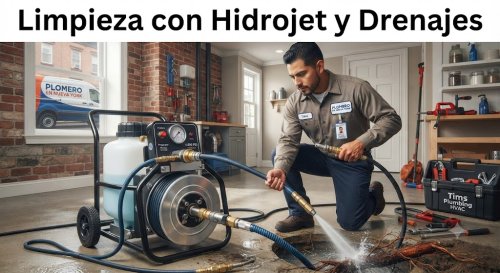
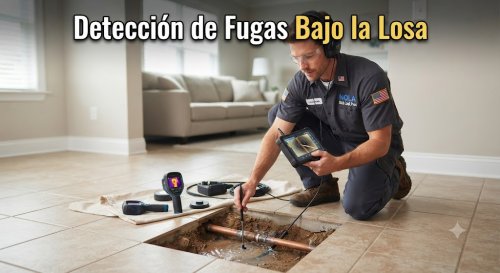
Experienced master plumbers understand that water rarely exits a pipe directly where a breach occurs. Due to gravity and the framing of pier-and-beam structures common in New Orleans, water often travels along floor joists and subflooring before finally manifesting as a ceiling stain or wall dampness far from the source. Furthermore, chemical drain cleaners and temporary snaking often provide only short-term relief, masking deeper issues such as root intrusion in aging cast-iron or clay sewer laterals.
In addition, New Orleans's high groundwater table and shifting delta soils place constant stress on underground pipes. When differential settlement occurs, joints can separate or shear entirely, allowing soil and silt to infiltrate the drainage system.
Safe Homeowner Triage vs. Dangerous DIY Boundaries
Before attempting any intervention regarding {{ $json.selected_topic }}, homeowners must understand the boundary between safe diagnostic steps and dangerous mechanical hazards.
Safe Homeowner Steps
- Locate and test your main indoor water shutoff valve to ensure it operates smoothly in an emergency.
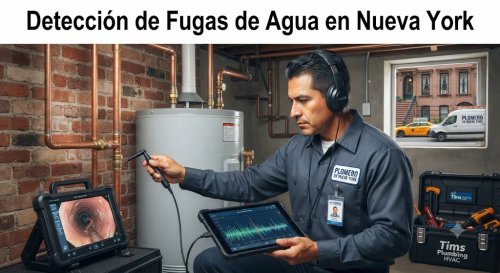
- Monitor your water meter's low-flow indicator to detect hidden supply leaks.
- Perform visual inspections of accessible piping in crawlspaces and utility areas.
Critical Safety Warnings
- Never unthread a sewer cleanout cap if you suspect a major downstream blockage, as accumulated liquid head pressure can spray raw sewage.
- Avoid using corrosive acid-based chemical cleaners in vintage cast-iron drainage systems, as they accelerate interior pipe wall corrosion.
- Never touch electrical service panels or wiring in flooded crawlspaces or basements.
Realistic Repair Approaches & Decision Support
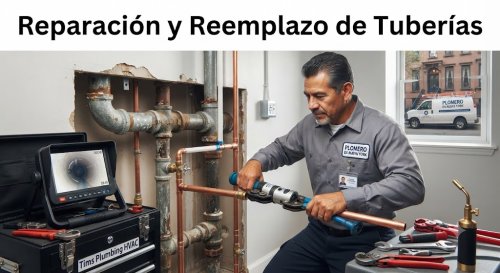
When addressing {{ $json.selected_topic }}, repair options generally range from localized spot repairs to comprehensive system replacements. The choice depends on pipe material, extent of damage, and accessibility.
| Repair Approach | Best Applied To | Key Consideration |
|---|---|---|
| Spot Clamp or Sleeve | Minor pinhole leaks in accessible supply lines | Temporary fix if surrounding pipe wall is thin |
| Sectional Pipe Replacement | Localized corrosion, cracks, or bellied drains | Requires cutting out and replacing a damaged segment |
| Trenchless Lining / Repiping | Widespread degradation in buried or embedded lines | Minimizes excavation beneath historic flooring or slabs |
Frequently Asked Questions
1. How does the local New Orleans climate impact {{ $json.selected_topic }}?
High humidity and saturated soils accelerate external corrosion on metallic pipes while shifting ground conditions put stress on rigid drainage materials.
2. Can I use a mechanical drain snake on my historic cast-iron pipes?
Yes, but extreme care must be taken. Vintage cast-iron can become thin and brittle over decades of use, making aggressive steel cutting blades a risk to structural integrity.
3. What are the warning signs that indicate {{ $json.selected_topic }} is becoming an emergency?
Rapidly rising water bills, recurring slow drains across multiple fixtures, structural dampness, and foul sewage odors inside the living space are clear red flags.
4. Why does water pool far away from the actual leak source?
Water follows the path of least resistance, often traveling along framing timbers, vapor barriers, or subflooring before dropping into view.
5. Are permits required for major plumbing repairs in Orleans Parish?
Most structural plumbing modifications, sewer line replacements, and water service installations require local permits and adherence to municipal plumbing codes.