Clearing Root Intrusion in New Orleans Sewer Lines
Learn how tree roots breach New Orleans sewer lines, safe homeowner triage methods, and permanent repair options for historic and modern properties.


Understanding Root Intrusion Mechanics in New Orleans Sewer Lines
Tree roots enter underground sewer pipes by seeking out moisture, oxygen, and nutrients escaping through micro-cracks, loose pipe joints, or structural breaches. Once a root hair successfully penetrates the interior of a pipe, it encounters an abundant supply of water and warmth, causing it to proliferate rapidly. Within a short period, these hairs multiply into a dense, fibrous hair-like mesh that acts as a physical net, catching grease, toilet paper, and solid waste.
In New Orleans, the combination of high water tables, shifting alluvial soils, and massive canopies of mature live oaks creates an environment where root intrusion is exceptionally common. Historic properties featuring older bell-and-spigot cast-iron or clay tile piping are particularly vulnerable because ground movement opens up the joints over time. As the mass grows, it progressively restricts the cross-sectional area of the pipe, turning a slow drain into a complete sanitary sewer backup.
Diagnosing whether a blockage is fixture-specific, branch-line related, or caused by a main sewer line root intrusion relies on observing fixture behavior. If flushing a second-floor toilet causes water to bubble up in the ground-floor bathtub, or if running the washing machine causes floor drains to overflow, the restriction resides deep within the main building drain or lateral sewer line rather than a local trap.
Overlooked Trade Secrets for Root-Infested Drain Systems
Standard DIY snaking provides only temporary relief when dealing with root intrusion. A mechanical auger or cable machine cuts a clean hole straight through the center of the root mass, restoring immediate flow. However, the remaining root walls inside the pipe continue to grow, often bouncing back thicker and denser within a few months. Furthermore, temporary drainage improvements achieved through chemical root-killers or mechanical snaking frequently mask an underlying structural failure, such as a collapsed clay lateral or a sheared cast-iron fitting.
Another critical factor in New Orleans properties is the behavior of vent stacks and gravity runs. When roots restrict the main lateral, air cannot properly vent through the roof stack, creating localized airlocks that cause gurgling sounds in toilets and slow draining in sinks far removed from the actual blockage. Additionally, high groundwater levels in saturated soils exert external hydrostatic pressure on compromised pipes, meaning that once roots breach the wall, surrounding mud and silt can easily infiltrate alongside the root fibers.
Safe Homeowner Triage Versus Dangerous DIY Boundaries
Homeowners can perform several safe diagnostic steps before deciding on a professional service call:
- Water Meter Test: Check the low-flow indicator triangle on the property water meter while all indoor fixtures are off to rule out a pressurized supply leak versus a drainage issue.
- Dye Testing: Add non-staining plumbing dye to questionable fixtures to trace drainage paths and verify if waste water is escaping into sub-floor areas.
- Accessible Cleanout Inspection: Visually inspect accessible outdoor cleanouts for surface pooling, but strictly avoid unthreading sewer cleanout caps under liquid head pressure.
Explicit Safety Warning: Never attempt to force chemical acid-based root killers down vintage cast-iron drains or pipes that are completely blocked. Trapped chemical agents can cause severe thermal reactions, splashing caustic fluid back out of floor drains or fixtures. Additionally, never operate electrical snaking equipment in standing water or flooded crawlspaces due to extreme electrocution hazards.
Realistic Repair Approaches and Decision Support
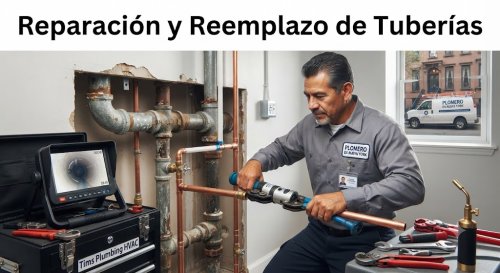
Addressing root intrusion permanently requires evaluating the physical condition of the pipe via video camera inspection. Depending on the severity of the damage, several repair methodologies are available:
| Repair Method | Best Applied When | New Orleans Consideration |
|---|---|---|
| Hydro Jetting & Maintenance | Pipes are structurally sound but plagued by recurring fine root hair entry at joints. | Requires routine scheduling every 12 to 18 months due to aggressive local tree growth. |
| Cured-in-Place Pipe (CIPP) Lining | Pipes have multiple joint leaks or root intrusions but retain a continuous structural grade. | Minimizes excavation beneath historic shotgun homes and historic preservation areas. |
| Sectional or Full Trenchless Replacement | Pipes are completely collapsed, offset, or structurally compromised by severe soil subsidence. | Accounts for local parish permit requirements and property-specific access constraints. |
Frequently Asked Questions About Sewer Root Intrusion
Can putting copper sulfate down my toilet kill roots safely?
Copper sulfate crystals can inhibit root growth in minor infestations when applied directly according to strict environmental guidelines. However, they will not clear dense root masses or fix broken pipe joints, and excessive use can damage municipal wastewater treatment systems and local plumbing materials.
How does a video camera inspection confirm root intrusion?
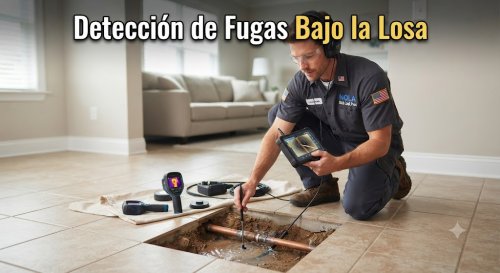
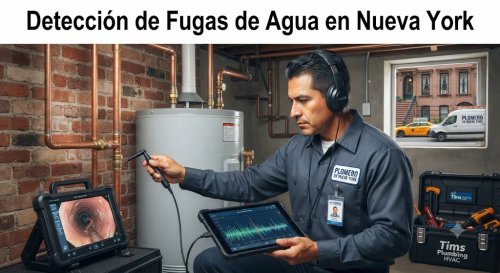
A specialized push-camera with a sonde transmitter travels through the interior of the drain line, providing a real-time visual feed on a monitor. This allows the technician to pinpoint the exact depth, distance, and structural condition of the pipe where roots are entering.
Will my homeowner's insurance cover root damage to sewer lines?
Standard homeowner insurance policies typically exclude damage caused by tree roots, ground settling, and normal wear and tear on underground utility lines. Coverage is occasionally available through separate endorsement riders or utility line protection plans.
Why do roots keep returning to the exact same spot in my pipe?
Roots return because the underlying structural vulnerability—such as an unsealed joint, a crack, or a gap caused by shifting soil—continues to leak moisture and nutrients into the surrounding earth, acting as a perpetual beacon for nearby root systems.
Is hydro jetting safe for older cast-iron drain pipes in New Orleans?
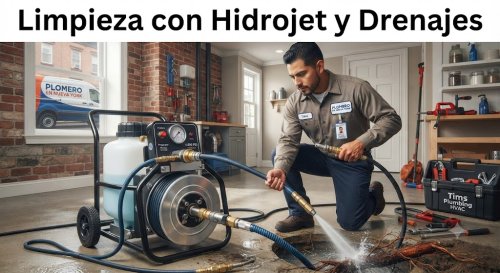
Hydro jetting utilizes high-pressure water streams to scour pipe interiors clean. For severely corroded, thin-walled vintage cast-iron or fragile clay pipes, high-pressure water can cause structural failure. A thorough camera inspection is mandatory prior to jetting to verify pipe wall integrity.