How to Diagnose and Resolve Water Heater Sediment Buildup
Learn how thermal expansion and mineral scale cause water heater sediment buildup. Master DIY flushing techniques and professional repair steps.


Understanding Water Heater Sediment Buildup and System Mechanics
Water heater sediment buildup occurs when dissolved minerals—primarily calcium and magnesium—precipitate out of hard water as it is heated, settling at the bottom of the storage tank. In regions with mineral-heavy water supplies, this process is accelerated by thermal expansion. As the burner or electric element heats the water, convection currents push mineral crystals downward where they form a dense, insulating layer between the heat source and the water.
This physical barrier forces the burner or lower heating element to work significantly harder and longer to achieve the thermostat setpoint. The trapped heat superheats the underlying sediment and the bottom steel tank floor, leading to the characteristic rumbling, popping, or banging noises often reported by homeowners. Furthermore, this localized overheating fatigues the glass-lining and steel walls of the tank, drastically shortening the operational lifespan of the appliance and increasing energy consumption.
Establishing clear diagnostic boundaries is essential when evaluating a noisy or inefficient water heater. Homeowners must differentiate between fixture-specific thermal issues, branch line pressure drops, and direct appliance failure. If rumbling occurs exclusively during hot water draws accompanied by delayed recovery times or lukewarm water, the issue is internal tank sediment rather than a faulty mixing valve or restricted supply line.
Overlooked Trade Secrets: Mineral Deposition and Thermal Dynamics
Standard maintenance guides often recommend a simple annual flush, but professional plumbers understand the deeper thermodynamic and chemical reactions occurring inside a residential water heater tank. One major oversight is ignoring the direct correlation between sacrificial anode rod depletion and accelerated sediment accumulation. As the aluminum or magnesium anode rod sacrifices itself to protect the steel tank from galvanic corrosion, the resulting metallic byproducts mix with mineral scale, creating a cement-like sludge that standard gravity drains cannot expel.
Another critical factor in southern climates with high ambient groundwater temperatures is static pressure versus dynamic thermal expansion. When a water heater fires, water expands inside the closed plumbing loop. If a thermal expansion tank is waterlogged, failed, or missing, the resulting pressure spikes stress the sediment-hardened bottom plate of the water heater, frequently causing micro-fractures in aged steel seams. Additionally, chemical descaling agents used improperly can corrode brass drain valves, turning a routine flush into an active emergency leak.
| Symptom | Probable Root Cause | Recommended Action |
|---|---|---|
| Rumbling or popping noises during heating cycles | Heavy calcium and magnesium sediment layer trapping steam bubbles | Perform a complete tank flush and inspect lower element/burner |
| Lukewarm water that exhausts quickly | Insulating sediment layer preventing heat transfer to the water column | Flush tank and check dip tube integrity for breakage |
| Discolored or rust-tinted hot water | Advanced tank corrosion combined with agitated sediment scale | Inspect anode rod condition; evaluate tank replacement urgency |
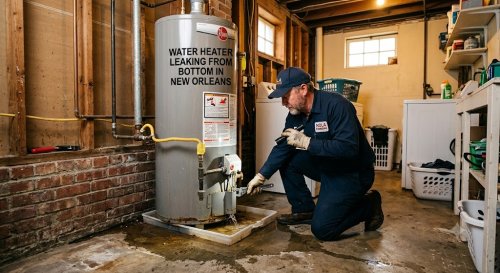
| Water leaking around the base of the tank | Stress fractures from thermal expansion or rusted tank bottom | Shut off power/gas and water supply; prepare for unit replacement |
Safe Homeowner Triage vs. Dangerous DIY Boundaries
Homeowners can safely perform basic preventative maintenance to extend the operational life of their water heater, provided they adhere to strict safety protocols. Safe triage steps include reading diagnostic error codes on modern electronic gas valves, verifying the temperature setting does not exceed 120°F to reduce scale precipitation rates, and performing visual inspections for external corrosion around fittings.
However, distinct safety boundaries must be respected to prevent severe injury or property damage:
- Never attempt to unthread or force open a heavily corroded, stuck plastic or brass drain valve if it risks snapping off under full water pressure, as this will trigger an uncontrollable indoor flood.
- Never service gas supply lines, thermocouple assemblies, or electronic pilot ignition systems without shutting off the gas supply and verifying zero leakage with approved methods.
- Never energize electric water heaters while the tank is empty during a flush; dry-firing will instantly burn out upper and lower elements.
- Avoid pouring harsh industrial acid cleaners into domestic water heater tanks, as residual chemicals can contaminate potable water supplies.
Realistic Repair Approaches and Long-Term Decision Support
When addressing severe sediment accumulation, repair approaches range from basic maintenance to complete appliance replacement. If a standard garden-hose flush fails to clear hardened calcium deposits due to a blocked drain valve, professional pneumatic clearing or specialized descaling pumps may be required. However, if the water heater is over ten years old and has never been serviced, attempting aggressive descaling on a compromised steel shell often breaches the tank wall.
Decision-making factors involve evaluating accessibility, local plumbing code compliance, and structural impacts. In historic properties with tight crawlspaces, restrictive vertical clearances, or interior closet installations, removing and replacing a sediment-damaged tank requires specialized rigging and drain pan modifications. Furthermore, modern municipal codes often mandate the installation or replacement of thermal expansion tanks and seismic strapping alongside any water heater replacement, which influences overall project scope and labor time.
Frequently Asked Questions
How often should a residential water heater be flushed to prevent sediment buildup?
In areas with hard water, water heaters should be flushed at least once a year. Homes with extremely high mineral content or well water systems may require semi-annual flushing to prevent heavy scale accumulation on the bottom of the tank.
Can I use vinegar to dissolve heavy sediment inside my water heater tank?
While food-grade vinegar is safe for descaling tankless heat exchangers or isolated plumbing fixtures, it is generally ineffective at dissolving thick, compacted mineral sludge at the bottom of a large 50-gallon storage tank due to dilution and the sheer volume of scale.
What causes the loud banging noise coming from my water heater?
The banging noise is caused by steam bubbles trapped underneath a dense layer of mineral sediment. As the water beneath the sediment boils, the steam forces its way up through the mineral barrier, creating a concussive sound and stressing the tank walls.
Why does my hot water run out faster than it used to?
A thick layer of sediment takes up physical volume inside the tank, reducing the total capacity available for hot water storage. Additionally, the sediment insulates the water from the heating source, resulting in slower recovery times during heavy usage.
Is it safe to replace a water heater drain valve myself?
Replacing a drain valve carries significant risk if the tank is old or made of brittle metal. If the old valve snaps off while the tank is full, water will rush out uncontrollably. It is typically recommended only if the water supply and tank are fully drained and depressurized, or handled by a licensed professional.