{{ $json.selected_topic }} | New Orleans Master Plumber Guide
Master plumber guide to {{ $json.selected_topic }}. Learn physical mechanics, local New Orleans soil factors, safe homeowner triage, and repair options.

Understanding {{ $json.selected_topic }} in New Orleans Homes
When dealing with {{ $json.selected_topic }}, identifying the root cause requires a firm grasp of physical plumbing mechanics and local environmental factors. In New Orleans, properties range from historic raised shotgun houses and Creole cottages with vintage cast-iron or galvanized piping to modern slab-on-grade constructions. High water tables, shifting alluvial soils, and extreme seasonal moisture fluctuations place unique stresses on residential and commercial plumbing networks.
Water leaks and system failures rarely happen in isolation. Water follows gravity, often traveling along floor joists or wall studs far from the actual pipe breach, making initial visual detection misleading. Differentiating between fixture-specific issues, localized branch line failures, and main building sewer or supply line breaks is critical before initiating any corrective action.
Physical System Mechanics and Diagnostic Boundaries
Plumbing systems rely on a balance of static pressure, dynamic flow rates, and gravity drainage. When a pipe develops a crack, joint separation, or pinhole leak, the failure is typically driven by one of several physical phenomena:
- Thermal Expansion: Water expands when heated, increasing pressure inside closed-loop water heater systems if an expansion tank is absent or waterlogged.
- Soil Subsidence: New Orleans' high clay content and saturated soils cause foundations and underground pipes to shift, snapping rigid clay, cast iron, or PVC lines.
- Scale and Corrosion: Mineral accumulation inside older metallic pipes restricts internal diameter, escalating localized water pressure and weakening pipe walls.
Establishing clear diagnostic boundaries helps isolate the problem. If a single faucet loses pressure, the issue is isolated to that aerator or supply line. If multiple fixtures on a lower level sputter or drain slowly, the problem likely stems from a main branch or vent stack restriction.
Overlooked Trade Secrets: What Standard DIY Guides Miss
Experienced plumbers understand that surface symptoms often mask deeper systemic vulnerabilities, particularly in unique regional environments:
- Gravity Runs vs. Leak Origins: Water staining on a ceiling or subfloor rarely sits directly beneath the leak. Gravity pulls moisture along structural framing, meaning the actual pipe breach may be several feet away.
- Vent Stack Airlocks: A blocked roof vent stack prevents proper air intake, creating a vacuum that can siphon trap water and mimic the slow-drain symptoms of a physical clog.
- Static Pressure vs. Dynamic Flow: A home might register a high static pressure reading (PSI) while idle, yet experience a drastic drop in dynamic flow (GPM) when multiple fixtures operate simultaneously due to interior pipe constriction.
- The Illusion of Snaking: Clearing a recurring drain clog with a mechanical snake provides temporary relief but often leaves behind root intrusion gaps or broken pipe bellies that require permanent structural repair.
Safe Homeowner Triage vs. Dangerous DIY Boundaries
Homeowners can safely perform initial diagnostics and minor containment, but crossing certain lines introduces severe safety hazards.
Safe Homeowner Steps
- Locate and test the main indoor water shutoff valve to ensure it stops flow effectively in an emergency.
- Perform dye tests in toilet tanks to check for silent flapper leaks that inflate utility bills.
- Monitor the low-flow indicator triangle on the property's water meter to detect hidden underground leaks.
- Inspect accessible cleanouts in the yard or crawlspace for signs of dampness or exterior backup.
Dangerous DIY Boundaries
- Never unthread a sewer cleanout cap if sewage is backed up or gurgling under liquid head pressure, as sudden release can flood the area with biohazardous waste.
- Avoid chemical drain openers on vintage cast-iron lines; the intense exothermic reaction can crack brittle, corroded metal walls.
- Do not touch gas flex lines or attempt repairs on gas-fired water heaters without specialized certification.
- Stay clear of electrical panels located in flooded crawlspaces or basements until grid power has been cut by utility professionals.
Realistic Repair Approaches and Decision Support
When addressing {{ $json.selected_topic }}, repair strategies depend heavily on pipe material, accessibility, and location. Property owners face several realistic paths for remediation:
- Spot Clamp or Sleeve Repair: Suitable for accessible, localized pinhole leaks in straight pipe runs, though temporary if the surrounding pipe is heavily corroded.
- Sectional Pipe Replacement: Cutting out a damaged section of cast iron, galvanized steel, or PVC and replacing it with modern couplings and stable support hangers.
- Trenchless Lining or Full Repiping: For widespread degradation, trenchless epoxy lining or complete repiping eliminates chronic failures without destroying historic flooring or landscaping.
Repair vs. Replacement Decision Matrix
| Condition | Recommended Action | Key Consideration |
|---|---|---|
| Isolated pinhole in accessible copper | Spot repair or coupling replacement | Check adjacent pipe wall thickness for general wear. |
| Recurring root intrusion in clay sewer lateral | Trenchless pipe bursting or replacement | Hydro-jetting provides only temporary relief. |
| Widespread scaling in vintage cast iron | Full sectional replacement or epoxy coating | Historic crawlspace accessibility dictates labor scope. |
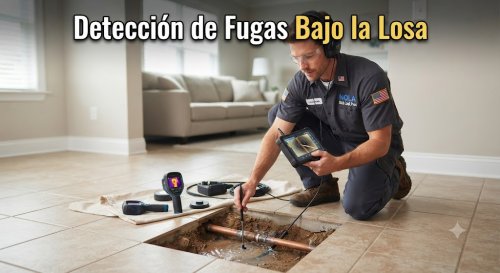
| Slab leak beneath concrete foundation | Route overhead supply lines or epoxy relining | Trenching through concrete is disruptive and costly. |
Frequently Asked Questions
How can I tell if a leak is coming from a supply line or a drain line?
Supply lines remain pressurized constantly, meaning a leak will cause the water meter to run continuously and produce steady moisture even when no fixtures are in use. Drain lines only leak when water is actively running down the fixture or if a vent or sewer line is backing up due to an exterior blockage.
Why do older New Orleans homes experience frequent pipe shifts?
New Orleans features high water tables and alluvial soils containing significant clay. As these soils absorb moisture during heavy rainfalls and shrink during dry summer months, piers, foundations, and underground pipes experience continuous shifting that stresses rigid pipe joints.
Can I use chemical drain cleaners to fix a slow-draining historic sink?
No. Chemical drain cleaners generate extreme heat through chemical reactions. In older homes with vintage cast-iron or fragile galvanized steel pipes, this heat can crack the pipe walls or accelerate interior corrosion, resulting in catastrophic leaks behind walls or beneath floors.
What is the difference between static water pressure and dynamic water flow?
Static pressure measures the PSI in your plumbing system when no water is running. Dynamic flow measures the volume (GPM) delivered when multiple fixtures are operating simultaneously. A home may show normal static pressure but suffer from poor flow due to mineral scale buildup constricting the interior pipe diameter.
How do I locate my main water shutoff valve in an emergency?
In many homes, the main indoor shutoff valve is located near the perimeter wall where the water line enters the crawlspace, utility room, or garage. If an indoor valve cannot be found, the backup curb stop is typically located near the property line inside a concrete or plastic meter box underground.
Is it safe to leave a water leak unaddressed if it seems minor?
Even small, slow leaks can cause severe secondary damage over time. Constant moisture rots wooden framing, encourages mold growth in humid environments, and undermines foundational soil stability, eventually leading to much more expensive structural and plumbing repairs.