Water Heater Sediment Flush: New Orleans Plumber Guide
Learn how to safely flush water heater sediment to prevent tank failure, strange noises, and efficiency loss in your New Orleans home.


Understanding Water Heater Sediment and Physical Tank Mechanics
Water heater sediment accumulation occurs when dissolved minerals—primarily calcium and magnesium carbonates—precipitate out of solution as incoming municipal water is heated inside the storage tank. Because New Orleans municipal water supplies and regional groundwater carry varying mineral contents, these solids settle at the lowest point of the tank, directly above the primary gas burner or lower electric heating element. As this mineral layer thickens, it forms an insulating barrier between the heat source and the water volume. This thermal barrier forces the burner or element to run significantly longer to achieve the thermostat setpoint, overheating the steel tank bottom, accelerating glass-lining degradation, and creating loud popping or rumbling noises as trapped water boils through the sediment crust.
Establishing proper diagnostic boundaries helps homeowners differentiate between a routine maintenance requirement and an impending tank failure. If your system suffers from reduced hot water duration or rumbling noises during heating cycles, sediment accumulation is the likely culprit. However, if the tank is actively leaking from the structural steel body or top fittings, sediment flushing will not resolve the issue, and total replacement is necessary. Distinguishing between normal mineral scaling and catastrophic tank corrosion prevents wasted maintenance efforts on compromised units.
Overlooked Trade Secrets: Thermal Dynamics and New Orleans Water Conditions
Standard DIY guides often overlook the intricate relationship between static water pressure, thermal expansion, and Louisiana's unique plumbing constraints. When a water heater fires, the water inside expands rapidly. Without a properly charged thermal expansion tank on the closed-loop system, this pressure spike stresses joints, valves, and the water heater tank wall itself, often causing the temperature and pressure (T&P) relief valve to weep continuously.
Furthermore, older New Orleans homes featuring historic pier-and-crumbly-brick foundations or tight crawlspaces present unique access hurdles for drainage. Draining a 50-gallon tank through a deteriorated plastic drain valve directly onto a dirt crawlspace floor can saturate soil supports, causing differential settling. Additionally, standard plastic drain valves frequently clog with large scale debris mid-flush, leaving the valve stuck partially open. Professional plumbers utilize brass full-port boiler drains and high-temperature discharge hoses to bypass failing factory valves safely and route mineral slurry directly to an approved sanitary drain.
Safe Homeowner Triage vs. Dangerous DIY Boundaries
Routine water heater maintenance can be managed safely if homeowners adhere strictly to operational boundaries. Knowing how to isolate the system and prepare the tank prevents property damage and personal injury.
- Shut Off Power Supply: Always switch off the dedicated circuit breaker for electric water heaters or turn the gas control valve to the 'Pilot' or 'Off' position before draining. Energizing empty elements will instantly burn them out.
- Isolate Cold Water Supply: Locate and close the cold water inlet valve situated directly above the top of the tank to stop incoming water pressure during the flush.
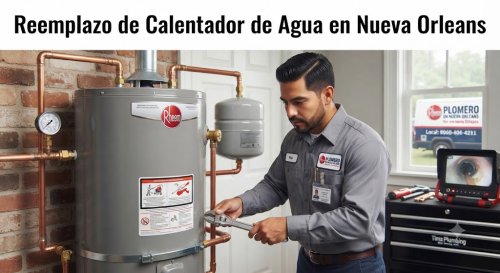
- Manage Discharge Safely: Attach a heavy-duty garden hose to the tank drain valve, routing the other end to a floor drain or utility sink capable of handling hot mineral slurry.
- Never Force Stuck Drain Valves: If a factory plastic drain valve shears off or refuses to turn, stop immediately. Forcing it will unleash uncontrolled scalding water into your living space or utility area.
- Avoid Unvented Gas Lines: Never attempt to disconnect, unthread, or modify rigid gas supply piping or draft hoods without proper gas-fitting certifications and leak-testing equipment.
Realistic Maintenance Approaches and Decision Support
When evaluating water heater maintenance versus replacement, property owners must weigh the physical age of the unit, the condition of the tank interior, and local installation codes. If a water heater is past its typical service life of 10 to 12 years and has never been flushed, attempting to clear heavy, hardened sediment can dislodge rust flakes that seal micro-cracks in the glass lining, immediately triggering a tank leak.
| Condition / Symptom | Probable Cause | Recommended Action |
|---|---|---|
| Banging or rumbling during heating | Heavy mineral sediment layer over burner | Perform controlled system flush and inspect tank interior |
| Discolored or rusty hot water | Sacrificial anode rod fully depleted; tank rusting | Replace anode rod immediately; check tank structural integrity |
| Water pooling at base of tank | Rusted tank seam or failed internal gasket | Complete system replacement required (no repair possible) |
| Continuous T&P valve discharge | Excessive thermal expansion or high municipal pressure | Install or recharge thermal expansion tank; test pressure regulator |
In New Orleans, replacement decisions must also account for local municipal plumbing codes regarding seismic strapping, catch pans with dedicated drain lines, and approved gas venting materials. Investing in annual maintenance—including flushing sediment and inspecting the sacrificial anode rod—extends equipment lifespan and safeguards your home against sudden water damage.
Frequently Asked Questions
How often should I flush sediment from my water heater tank?
For most residential systems, flushing the tank once a year is recommended. However, homes with high mineral content in their water supply may require semi-annual flushing to prevent heavy scale accumulation and maintain optimal energy efficiency.
Can I flush a water heater that has never been maintained in 10 years?
Proceed with caution. If a tank has gone a decade without service, the sediment at the bottom may have hardened into a solid mass, and plastic drain valves will likely break. Furthermore, flushing a heavily corroded older tank can sometimes remove scale deposits that were temporarily plugging internal rust pinholes, causing a leak.
Why does my water heater make a loud popping noise when it turns on?
The popping or rumbling sound is caused by trapped water beneath the layer of mineral sediment at the bottom of the tank. As the burner heats the steel floor, the trapped water instantly boils, forcing its way up through the heavy mineral crust in steam bubbles.
What is a sacrificial anode rod and why does it matter?
The anode rod is a metal core wire made of magnesium, aluminum, or zinc suspended inside the water heater tank. Electrolysis attacks this rod rather than the steel tank walls, actively preventing interior rust. Once the anode rod is fully consumed, corrosion attacks the steel tank directly.
Should I turn off the gas or electricity before draining my water heater?
Yes, absolutely. Turning off the power supply to electric heating elements or turning the gas control valve to 'Pilot' or 'Off' prevents the unit from firing while empty, which will instantly burn out electric elements or ruin a gas-fired tank.