Water Heater Sediment Buildup & Triage in New Orleans
Learn how thermal expansion and mineral sediment affect water heaters in New Orleans. Master DIY maintenance, safe flushing steps, and repair criteria.


Understanding Water Heater Sediment Mechanics in New Orleans
Water heater sediment accumulation is an inevitable chemical process driven by the natural mineral content present in municipal supplies. As incoming cold water enters the tank and is heated by either gas burners or electric resistance elements, dissolved calcium and magnesium carbonates precipitate out of solution. Due to the thermodynamic principle of density—where cooler, heavier mineral particulate settles at the lowest point of the vessel—these solids accumulate directly above the primary heating source.
In older New Orleans neighborhoods featuring historic slab construction or elevated pier-and-beam crawlspaces, water heaters often operate under unique environmental stressors. High ambient humidity accelerates external jacket corrosion, while variations in municipal water pressure can intensify thermal expansion shocks. When a thick layer of sediment blankets the bottom of a gas-fired tank, it acts as an insulating thermal barrier between the burner and the water column. The steel tank bottom overheats, causing accelerated metal fatigue, stress fractures, audible rumbling, popping noises, and premature vessel failure.
Establishing clear diagnostic boundaries helps determine whether an issue is fixture-specific or related to the water heater unit. If only one hot water tap spits air or exhibits severely restricted flow, the problem usually lies within the localized supply line or aerator scale. However, if all hot water outlets show a sudden drop in temperature, discoloration, or reduced pressure accompanied by rumbling noises from the utility closet or garage, the root cause is internal tank sediment or a compromised dip tube.
Overlooked Trade Secrets: Thermal Expansion and Scale Accumulation
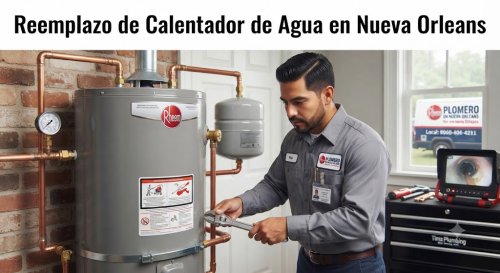
Standard homeowner manuals frequently overlook the critical dynamic between closed-system plumbing and sediment-choked water heaters. Modern building codes in the New Orleans metropolitan area often require thermal expansion tanks on closed-loop systems equipped with backflow preventers or check valves. Without an expansion tank, thermal expansion forces water volume to increase against a closed barrier, spiking static pressure well beyond the standard 80 PSI limit. This excessive pressure stresses the already weakened, sediment-heated tank walls and temperature-pressure (T&P) relief valves.
Another frequently missed warning sign is the condition of the sacrificial anode rod. Designed to corrode electrolytically before the glass-lined steel tank interior rusts, an exhausted anode rod leaves the bare steel unprotected. Once the anode is completely depleted by galvanic action, accelerated tank corrosion begins immediately, regardless of how frequently the homeowner flushes accumulated sediment.
Furthermore, high local water tables and subsurface moisture in south Louisiana basements or damp crawlspaces demand careful attention to the condition of the water heater's drain valve. Plastic factory-installed drain valves frequently clog with mineral flakes during a routine flush, leaving the valve stuck in the open position and creating an uncontrolled leak hazard.
Safe Homeowner Triage vs. Dangerous DIY Boundaries
Routine maintenance can safely extend the service life of a water heater if approached with strict adherence to safety protocols. Homeowners can perform specific diagnostic tasks to monitor system health without risking personal injury or property damage.
- Water Meter Observation: Monitor the low-flow indicator dial on the property water meter while all fixtures are off to rule out hidden leaks triggered by high thermal pressure.
- Temperature Verification: Check the thermostat setting. Keeping the water temperature at 120°F (49°C) minimizes accelerated mineral precipitation and scalding risks.
- T&P Valve Test: Safely lift and snap the test lever on the Temperature and Pressure relief valve (with a bucket held below the discharge pipe) to verify mechanical freedom of movement, ensuring it does not stay wedged open by scale.
- Accessible Cleanout / Flush: Connect a standard garden hose to the tank drain valve, route it safely to an exterior floor drain or grade, and open the valve briefly to clear loose particulates.
Explicit Safety Warnings: Never attempt to service gas supply lines, gas control valves, or electrical junction boxes without shutting off the respective energy source. Never force a stuck plastic drain valve with excessive leverage, as snapping the stem will cause full-volume tank discharge. Avoid using harsh chemical descalers on potable water systems unless specifically rated for residential drinking water infrastructure.
Realistic Repair Approaches and Decision Support
When sediment buildup results in structural damage, performance failure, or persistent leaks, homeowners must weigh realistic repair options against full unit replacement. Understanding the variables involved helps guide cost-effective decision-making.
| Symptom or Condition | Probable Mechanical Cause | Recommended Action |
|---|---|---|
| Rumbling or popping during burner cycles | Thick sediment layer boiling trapped water | Aggressive tank flush; inspect bottom plate |
| Rusty discolored water from hot taps only | Depleted anode rod or interior tank corrosion | Replace anode rod immediately (if tank wall intact) |
| Active weeping from tank seam or bottom | Thermal stress fracture through sediment-damaged steel | Full water heater replacement |
| Frequent T&P valve discharge | Thermal expansion without expansion tank or excessive pressure | Install/replace thermal expansion tank and pressure-reducing valve |
Repair pricing and logistical feasibility in New Orleans are influenced by specific regional factors. Historic shotgun homes and raised Creole cottages often feature tight crawlspaces, narrow doorways, or strict elevation requirements that complicate the extraction of heavy 50-gallon tanks. Plumbers must also account for local Orleans Parish or Jefferson Parish building permit requirements, mandatory gas bonding compliance, and the installation of secondary drain pans with indirect waste lines when units are located in interior living spaces.
Frequently Asked Questions
How often should a residential water heater be flushed in New Orleans?
Due to mineral characteristics in regional supplies, annual flushing is recommended. If your household experiences heavy water consumption or notices premature rumbling sounds, semi-annual maintenance may be necessary to prevent calcification layers from hardening.
Can I use commercial chemical descalers to clear heavy tank sediment?
No. Standard industrial chemical descalers are unsafe for residential potable water tanks unless specifically certified NSF/ANSI 61 compliant. Flushing with pressurized municipal water via garden hose is the safest and most effective mechanical removal method.
What causes hot water pressure to drop significantly over time?
A sudden or gradual drop in hot water pressure is frequently caused by a massive accumulation of loose scale flakes blocking the hot water outlet nipple or clogging individual fixture aerators. It can also indicate a collapsing dip tube restricting incoming cold water flow.
Is a rumbling water heater an immediate explosion hazard?
While loud rumbling sounds indicate heavy sediment boiling trapped water against the tank floor—which stresses the metal and reduces efficiency—modern water heaters are protected by functioning T&P relief valves designed to vent dangerous pressure spikes safely.
Why does water leak from the top of the water heater when the tank bottom is sediment-clogged?
Water appearing at the top of the tank often travels via capillary action along insulation jackets or traces down from faulty inlet/outlet nipple connections, loose dielectric unions, or a discharging T&P relief valve overworked by thermal expansion pressure.