Clearing Tree Roots from New Orleans Sewer Lines
Master plumber guide to diagnosing, safely clearing, and preventing tree root infiltration in New Orleans sewer lines without chemical pipe damage.


Understanding Root Infiltration in New Orleans Sewer Systems
Root infiltration occurs when aggressive tree roots—frequently driven by moisture-seeking behavior from live oaks, bald cypresses, and sweet gums across historic New Orleans neighborhoods—penetrate microscopic joints, hairline cracks, or deteriorated seals in underground drainage piping. Once inside, the roots encounter a continuous supply of warm wastewater rich in organic nutrients, causing them to proliferate rapidly. Within a few seasons, a pencil-thin root tip expands into a dense, hair-like mat that catches grease, paper products, and solid waste, eventually forming a complete structural blockage within the main building sewer line.
Physically, this process relies on the mechanics of hydraulic pressure and hydro-tropism. Pipe joints, particularly older hub-and-spigot cast-iron connections or brittle clay tile laterals common in Uptown and Mid-City properties, sweat minute amounts of condensation and vapor. Tree roots sense this moisture gradient in the surrounding alluvial soils and exert mechanical pressure as they grow, prying apart gaskets or exploiting structural compromises. Once entry is achieved, the root mass restricts the cross-sectional area of the pipe. This restriction slows the dynamic flow rate, triggering premature settling of suspended solids and driving wastewater backup into low-lying floor drains or shower pans.
Accurately diagnosing whether a blockage is fixture-specific, branch-line restricted, or main sewer line related requires systematic observation. If a single toilet gurgles when you run the washing machine, or if flushing the upstairs commode causes water to bubble up in a downstairs bathtub, the issue resides in the branch or main sanitary stack. If multiple fixtures across the home—including toilets, sinks, and tubs—fail to drain simultaneously and pooling water appears at the lowest accessible cleanout, the obstruction is located squarely within the main underground lateral running toward the municipal connection.
Overlooked Trade Secrets for Root-Infested Laterals
Standard DIY drain snaking offers only temporary relief against persistent root infiltration. When an open-hook auger blade punches through a dense root ball, it clears a central tunnel through which wastewater can temporarily escape. However, the remaining root perimeter quickly heals, re-establishes nutrient absorption, and grows back thicker than before within a matter of weeks. Furthermore, relying exclusively on chemical root killers poured down interior drains is hazardous. In historic New Orleans properties featuring aging cast-iron drains or deteriorated Orangeburg pipe, aggressive commercial acids corrode the pipe interior, accelerating structural collapse while failing to dissolve thick, established root masses.
Another major diagnostic trap involves gravity runs and soil subsidence. In New Orleans, high groundwater tables and soft, shifting alluvial soils frequently cause underground sewer laterals to dip or sag, creating "belly" sections where standing water collects. Roots target these exact settlement zones because moisture pooling is maximized. When a plumber runs a mechanical snake through a sagged line, the rotating cable can easily catch a structural offset or deteriorated pipe wall, puncturing or collapsing the vintage conduit entirely.
Vent stack dynamics also play a deceptive role. If tree roots choke the lower main sewer line, flushing a toilet forces air downward ahead of the waste column. With the exit path constricted by roots, this displaced air seeks relief by blowing back up through dry sink traps or plumbing vent connections, producing distinct gurgling sounds that homeowners often misinterpret as simple venting failures rather than main-line structural intrusions.
Safe Homeowner Triage vs. Dangerous DIY Boundaries
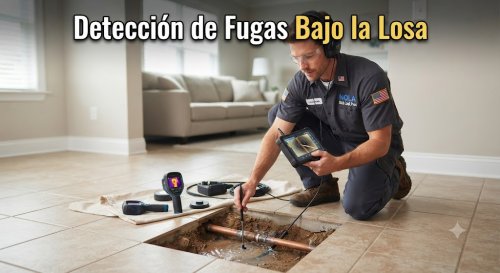
Homeowners can safely perform preliminary diagnostic checks before calling out professional equipment. Begin by locating your main sewer cleanout, typically found near the exterior foundation wall or close to the property line. Inspect the area for surface dampness or lush, emerald-green grass patches that stand out during dry spells—these are classic visual indicators of an underground sewage leak driven by root breaches. You can also monitor your property's water meter with all indoor fixtures turned off; a spinning low-flow indicator points to continuous leakage.
However, strict physical safety boundaries must be observed:
- Never unthread a sewer cleanout cap under liquid head pressure. If a main line is completely blocked and holding wastewater, removing the cap abruptly will release a geyser of raw sewage and biohazardous material into your living space or crawlspace.
- Avoid high-torque motorized drain augers if you lack experience. Amateurs attempting to clear heavy root masses with rented heavy-duty machinery risk catching the spinning cable on pipe breaks, resulting in severe wrist and arm injuries or punching holes through fragile, aged piping.
- Never mix chemical drain treatments. Pouring enzymatic or caustic acid root treatments into a blocked line can create dangerous chemical reactions or splash back when mechanical clearing is subsequently attempted.
Realistic Repair Approaches and Decision Support
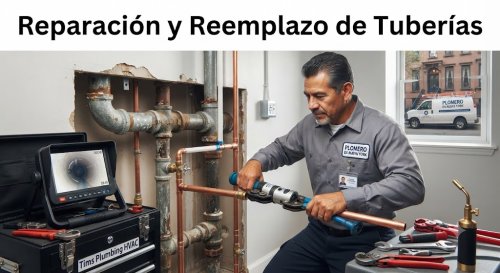
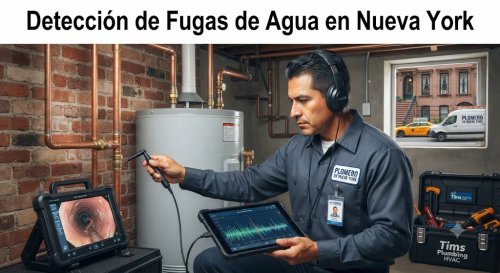
When addressing confirmed root infiltration, plumbing professionals deploy several tiered remediation strategies depending on the structural integrity of the affected pipe. A comprehensive video camera inspection is mandatory to map out the exact location, depth, and severity of the root intrusion before any physical work begins.
| Repair Method | Best Suited For | New Orleans Practical Considerations |
|---|---|---|
| Mechanical Root Sawing | Structurally sound pipes with localized root entry at joints. | Provides temporary flow restoration; requires routine maintenance every 6 to 12 months. |
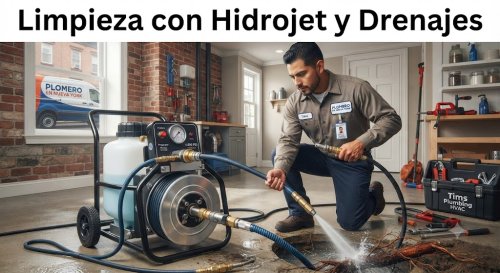
| Hydro Jetting | Thick root mats and heavy grease accumulation in durable lines. | Uses high-pressure water streams to scour pipe walls clean; must be preceded by a camera scope to avoid destroying fragile cast iron. |
| Trenchless Pipe Lining | Pipes with structural cracks, offsets, or recurring root issues. | Inserts an epoxy-saturated liner that cures in place, sealing out roots permanently without extensive yard excavation. |
| Traditional Sectional Excavation | Collapsed pipes, severe bellies, or completely crushed tile. | Required when pipe geometry is lost; involves soil excavation, which in local raised-home crawlspaces or historic slabs demands careful shoring and permitting. |
Choosing the correct long-term strategy depends heavily on local site conditions across New Orleans. Historic properties built on pier-and-beam foundations often offer accessible crawlspace runs where lateral modifications are straightforward. Conversely, homes built on concrete slabs require precise ground penetration or trenchless rehabilitation methods to avoid destroying interior flooring. Factoring in local parish permit requirements and the high water table ensures that any major sewer overhaul prevents future soil erosion and structural failure.
Frequently Asked Questions
How do tree roots actually get inside underground sewer pipes?
Tree roots naturally seek out sources of moisture and nutrients. They penetrate underground sewer lines by exploiting minute gaps, unsealed joints, hairline fractures, or deteriorated gaskets in aging pipe materials. Once a tiny root hair enters the damp interior environment, it expands rapidly into a dense mass.
Can chemical root killers permanently eliminate roots in my sewer line?
No. Commercial chemical root treatments or foaming agents can kill root tissue inside the pipe and inhibit initial regrowth, but they cannot remove dead root masses or repair structural pipe damage. Over time, new roots will re-enter through the exact same compromised joints unless the pipe is structurally sealed or replaced.
Why does my toilet gurgle when the washing machine drains if the problem is tree roots?
When tree roots create a partial obstruction in the main sewer line, large volumes of water discharged from appliances like washing machines cannot escape quickly. This rushing water forces trapped air ahead of it through the drainage system, seeking release out of fixture traps and causing a distinctive gurgling sound.
Is hydro jetting safe for older cast-iron pipes found in historic New Orleans homes?
Hydro jetting requires extreme caution in vintage homes. If an aging cast-iron or clay pipe has suffered extensive interior scaling, wall thinning, or structural degradation, high-pressure water streams can breach the pipe wall. A professional sewer camera inspection must always verify pipe condition before any hydro jetting takes place.
What is the difference between snaking a root clog and trenchless pipe lining?
Snaking is a temporary mechanical fix that punches a hole through a root blockage to restore immediate drainage. Trenchless pipe lining is a permanent rehabilitation technique that inserts an epoxy-resin tube inside the existing damaged pipe, inflating and curing it to create a seamless, root-proof interior barrier.
How often should I have my sewer lines inspected if I live near large oak trees?
Properties surrounded by mature root systems—such as live oaks in Uptown or City Park areas—benefit from an annual or biennial preventive video camera inspection. Catching root infiltration in its earliest stage allows for safe root removal before structural pipe collapse occurs.