Common Causes of Low Water Pressure in Older New Orleans Homes
Discover why older New Orleans homes experience low water pressure, from galvanized pipe corrosion to local municipal supply factors and sediment buildup.


Understanding Low Water Pressure in Historic New Orleans Properties
Walking through historic neighborhoods across New Orleans—from the classic Creole cottages of Faubourg Marigny to the raised center-hall homes of Uptown—reveals architectural charm at every turn. However, maintaining the modern conveniences within these historic structures often presents unique challenges. One of the most frequent complaints homeowners bring to a residential plumber in New Orleans is a sudden or progressive drop in water pressure.
When turning on a vintage showerhead or kitchen faucet results in a weak trickle rather than a steady stream, it is more than a minor annoyance. In older properties, low water pressure is often a symptom of underlying plumbing wear, regional environmental conditions, or outdated materials that require professional attention.
1. Galvanized Steel Pipe Corrosion
Many homes built before the mid-20th century were originally plumbed with galvanized steel supply pipes. Over decades of service, zinc coatings erode, and iron oxidation begins to build up inside the pipe walls. This internal rust accumulation severely restricts the interior diameter of the pipe, choking off water flow before it ever reaches your fixtures.
How to Identify Pipe Blockage
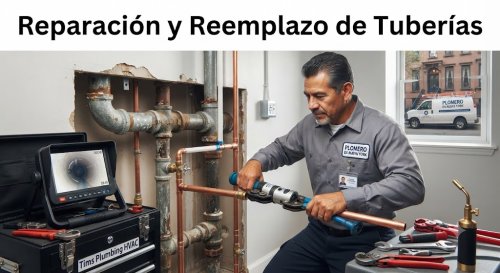
If water pressure drops significantly when multiple fixtures are opened simultaneously—such as running the washing machine while someone takes a shower—corroded galvanized pipes are a primary suspect. A professional pipe repair in New Orleans often involves replacing these aging steel lines with modern copper or PEX piping to restore proper volume and pressure.
2. Mineral Sediment and Scale Accumulation
Water quality and mineral content vary by region, and properties utilizing municipal supplies can experience mineral precipitation over time. Calcium and other mineral deposits accumulate inside aerators, showerheads, and valves. In a city with a high water table and humid climate like New Orleans, scale buildup can accelerate in fixtures that experience frequent thermal cycling.
- Faucet Aerators: Unscrewing the small screen at the tip of your kitchen or bathroom faucet often reveals trapped grit, sand, or mineral flakes. Cleaning or replacing these screens is a quick diagnostic step.
- Water Heaters: Sediment can settle at the bottom of a traditional tank water heater, restricting the hot water outlet pipe and affecting pressure throughout the house when using heated water.
3. Aging Main Water Supply Lines
The municipal connection running from the city street main to your property's meter is subject to ground movement, soil shifting, and heavy moisture. New Orleans features a unique alluvial soil composition with high clay content that expands and contracts significantly depending on seasonal rainfall. This ground movement can place stress on older service lines, causing partial collapses, kinks, or leaks that reduce incoming water volume.
4. Pressure Regulating Valve (PRV) Failure
Most residential properties feature a Pressure Regulating Valve designed to protect internal plumbing fixtures from excessive municipal water pressure. When a PRV fails—often due to internal spring fatigue or sediment jamming—it can become stuck in a closed or partially restricted position. This malfunction drastically limits the amount of water allowed to flow into your home's distribution network.
Troubleshooting and Professional Assessment
Diagnosing low water pressure requires methodically isolating whether the issue is isolated to a single fixture, localized to hot water lines, or affecting the entire property. If cleaning aerators and checking local shutoff valves does not resolve the weak flow, consulting a qualified plumbing contractor in New Orleans is essential. A professional evaluation can accurately pinpoint whether the restriction stems from localized fixture scale, a failing PRV, or degraded galvanized supply lines hidden behind historic plaster and lathe walls.