Why Sinks Gurgle When You Flush: Plumbing Diagnosis
Discover why your sink gurgles when you flush the toilet. Learn the mechanics of drain venting, blockages, and how to safely troubleshoot.
Decoding the Mechanics of a Gurgling Sink During a Flush
When a sink gurgles or bubbles water whenever you flush a nearby toilet, your plumbing system is actively signaling a pressure imbalance within its drainage and venting network. Far from being a mere acoustic quirk, this gurgling noise indicates that water rushing down the toilet's waste pipe is pulling air from wherever it can find an alternate pathway—most frequently through the traps of nearby lavatories, showers, or floor drains.
To understand this physical mechanism, consider how a drainage system relies on a delicate balance of gravity and air dynamics. Every time you discharge a high-volume fixture like a toilet (which typically dumps 1.28 to 1.6 gallons of water rapidly into the waste arm), it acts like a piston. As this slug of water plunges down the vertical soil stack, it pushes air ahead of it while simultaneously creating a partial vacuum (negative pressure) behind it. Under normal operating conditions, the roof vent stack allows fresh air to rush into the system, neutralizing this vacuum. However, when a restriction develops, the moving water must draw air from the path of least resistance: the P-trap of your bathroom or kitchen sink.
Establishing diagnostic boundaries is crucial before grabbing a tool. A gurgle isolated to a single fixture immediately following a toilet flush points toward a localized branch line restriction or a compromised local vent. Conversely, if multiple fixtures throughout the house gurgle, backup, or drain sluggishly, the issue almost certainly resides deeper in the main building sewer line or the primary roof vent stack.
Overlooked Trade Secrets: Vent Stacks, Gravity Runs, and New Orleans Soils
Standard DIY advice frequently misdiagnoses gurgling fixtures as simple localized clogs treatable with chemical drain cleaners. Experienced master plumbers know that the root cause often lies in structural vulnerabilities or environmental factors that standard snaking fails to address:
- Roof Vent Stack Restrictions: In historic New Orleans neighborhoods like the French Quarter, Uptown, or Mid-City, mature live oak trees drop leaves, seed pods, and twigs directly into open roof vent stacks. Squirrels and birds also occasionally nest in these vertical pipes. A partially blocked stack restricts incoming air, starving the drainage system of oxygen and causing widespread fixture gurgling.
- Water Migration Along Joists: Water rarely leaks straight down in multi-story or elevated pier-and-beam homes common to the region. Due to gravity runs along floor joists and subflooring, a cracked vent pipe or loose sanitary tee inside a wall cavity can cause dampness meters away from the actual breach, mimicking a drain backup issue.
- Alluvial Soil Subsidence: New Orleans sits on soft, highly compressible deltaic soils. Ground shifting and high water tables exert immense pressure on underground cast-iron or PVC sewer laterals. When a pipe sags (bellies) or separates, wastewater pools, restricting airflow and forcing displaced air backward through the path of least resistance—your sink traps.
- Static Pressure vs. Dynamic Flow: Dynamic flow issues often compound venting problems. If supply pressure fluctuates while multiple fixtures draw water simultaneously, drainage velocity alters, changing how air and water interact within tight branch configurations.
- Perform a Visual Roof Inspection: Safely inspect your roofline from the ground using binoculars to check if roof vent caps are clear of debris, Spanish moss, or animal nests.
- Check the Main Indoor Cleanout: Locate your interior sewer cleanout plug. If removing it relieves pressure or reveals standing water, you have a mainline obstruction rather than a simple vent issue.
- Conduct a Toilet Dye Test: Place dye tablets in the toilet tank to check for silent running leaks, which continuously load the branch lines and reduce available air volume in the pipes.
Safe Homeowner Triage vs. Dangerous DIY Boundaries
Before calling for professional intervention, homeowners can safely perform several non-invasive diagnostic steps to isolate the problem.
Safe Homeowner Triage Steps
Explicit DIY Warnings
Never unthread a sewer cleanout cap under liquid head pressure. If a main line is severely blocked, opening a pressurized cleanout can release a geyser of raw sewage into your living space. Additionally, avoid pouring corrosive acid-based chemical cleaners into vintage cast-iron drains; the chemical reaction generates extreme heat that can crack aging metal pipes, leading to catastrophic leaks beneath slabs or inside walls.
Comparing Repair Approaches and Diagnostic Factors
When a gurgling sink points to a structural blockage or venting failure, a professional plumber evaluates several repair options based on accessibility and pipe integrity.
| Repair Approach | Best Applied When | New Orleans Pricing & Environmental Factors |
|---|---|---|
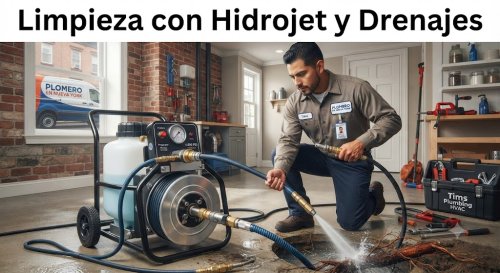
| Mechanical Snaking / Hydro-Jetting | Grease, scale, or root intrusion is physically restricting branch or main lines. | Dependent on cleanout accessibility; affected by historic cast-iron fragility. |
| Vent Stack Clearing | Debris, nests, or scale blockage is trapped in the vertical roof vent. | Requires safe roof access; multi-story pitched slate or tile roofs require specialized safety gear. |
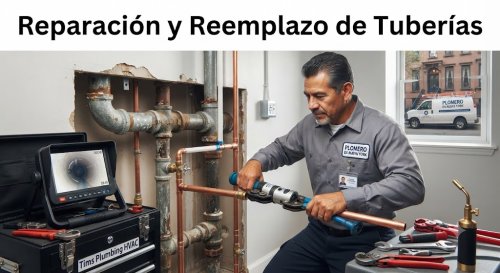
| Sectional Pipe Replacement | A localized break, sag, or offset exists in an accessible crawlspace or yard. | Pier-and-home crawlspaces offer easier access than concrete slab foundations. |
| Trenchless Pipe Lining | Underground sewer laterals are damaged beneath driveways or historic landscaping. | Minimizes destruction to historic gardens and hardscapes common in southern properties. |
Frequently Asked Questions
Why does my kitchen sink gurgle only when I flush the upstairs toilet?
This happens because the upper-floor toilet drops a large volume of water down the main vertical stack rapidly. If the shared vent pipe or branch line is partially obstructed, the falling water creates a vacuum that sucks air right out of your kitchen sink's P-trap, producing the gurgling sound.
Can a completely clogged vent stack cause my sinks to stop draining entirely?
Yes. If a vent stack is 100% blocked, air cannot enter the system to replace the displaced volume of moving water. This creates a vapor lock that drastically slows down drainage or stops it completely, even if the drainpipe itself is free of physical debris.
Is a gurgling sink considered an immediate plumbing emergency?
Not necessarily immediately, but it is an early warning sign. While it may take weeks for a partial restriction to turn into a complete sewage backup, ignoring the gurgle usually leads to overflowing fixtures once root intrusion or grease accumulation progresses.
Will pouring boiling water down the sink fix a gurgling sound?
Boiling water may temporarily soften minor grease buildup in a localized kitchen sink branch line, but it will not resolve structural venting issues, roof stack blockages, or main sewer line offsets that typically trigger system-wide gurgling.
How do high water tables in New Orleans affect plumbing drainage?
High seasonal water tables and saturated alluvial soils increase external hydrostatic pressure on underground sewer pipes. This pressure can accelerate joint separation, pipe sagging, and root infiltration, which eventually leads to the drainage restrictions that cause gurgling fixtures.
Can I use a chemical drain opener to fix a gurgling sink?
Chemical drain openers are generally discouraged. They do not clear venting issues or main line roots, and in older homes with cast-iron or deteriorated galvanized piping, harsh chemicals can accelerate internal pipe corrosion and create dangerous splash-back hazards.