Common Causes of Low Water Pressure in Older New Orleans Homes
Discover why older New Orleans homes experience low water pressure. Learn about historic pipe corrosion, sediment buildup, and when to call a professional.


Understanding Low Water Pressure in Historic New Orleans Properties
Stepping into a historic New Orleans home—whether it's a raised center-hall cottage in Uptown, a classic Creole townhouse in the French Quarter, or a charming shotgun home in Faubourg Marigny—comes with unique architectural appreciation. However, these architectural treasures often bring hidden plumbing challenges. One of the most frequent complaints homeowners and property managers face is a frustrating drop in water flow when trying to take a shower or run kitchen fixtures simultaneously.
Low water pressure is rarely just a minor annoyance; in older properties, it can be a warning sign of failing infrastructure, mineral accumulation, or hidden leaks. Because New Orleans sits on a unique deltaic plain with high water tables and historic municipal supply networks, troubleshooting water pressure requires an understanding of both local plumbing characteristics and aging piping materials.
1. Heavy Scale and Mineral Buildup in Galvanized Steel Pipes
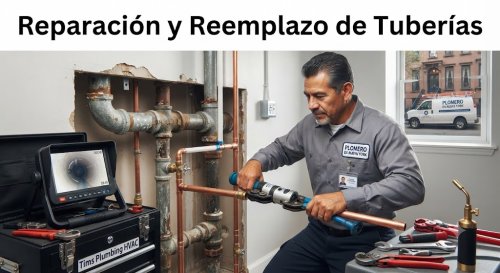
Many pre-1960s residential properties in New Orleans were originally built using galvanized steel supply pipes. Over decades of continuous use, these metallic pipes undergo internal chemical reactions. Minerals present in water, combined with iron oxidation, cause heavy interior scaling.
As rust and mineral deposits accumulate inside the pipe walls, the internal diameter of the water pathway shrinks drastically. While water may still trickle through, the volume and pressure drop significantly, especially when multiple taps open at once. If your home still has original galvanized piping, localized low water pressure is often a symptom of widespread interior blockage that routine drain cleaning or minor repairs cannot resolve.
2. Aging Municipal Supply Lines and Pressure Regulating Valves (PRVs)
Sometimes the issue originates right at the property line. The Sewerage and Water Board of New Orleans (SWBNO) manages the city's main water infrastructure, and fluctuations can occur across different neighborhoods depending on elevation, pipe age, and neighborhood demand. Furthermore, many properties are equipped with a Pressure Regulating Valve (PRV) designed to protect indoor plumbing from excessively high municipal pressure spikes.
When a PRV fails or becomes clogged with sediment, it can get stuck in a restrictive position, choking off water supply to the entire building. A failing PRV typically causes a sudden, uniform drop in water pressure across every bathroom and kitchen fixture in the house.
3. Undetected Water Leaks Behind Walls or Under Slabs
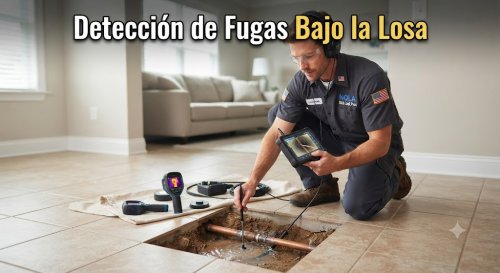
A sudden decrease in water pressure can indicate an active water leak. When a pressurized supply line cracks, pinholes develop, or a joint gives way, water escapes into the surrounding soil, crawlspace, or sub-slab foundation before it ever reaches a faucet.
Because New Orleans features humid conditions and shifting alluvial soils, foundation settling frequently stresses older copper and galvanized lines. If your water meter is spinning continuously when all indoor fixtures are completely turned off, you may have a hidden supply line leak requiring professional leak detection and targeted pipe repair.
4. Clogged Aerators, Fixtures, and Shut-Off Valves
Before assuming the worst about your home's main water supply lines, it is worth checking individual fixtures. Hard water mineral deposits can choke faucet aerators and showerheads, restricting the final exit point of water flow.
Additionally, older gate valves or angle stops located beneath sinks and behind toilets can degrade internally over time. If a washer inside an old shut-off valve breaks loose, it can act like a flapper, blocking water flow whenever the valve is partially open.
Restoring Proper Water Flow to Your Property
Diagnosing low water pressure in a historic New Orleans structure requires careful evaluation of whether the issue affects a single fixture or the entire house. While cleaning aerators or replacing showerheads offers a quick fix for isolated drops, widespread pressure loss in older homes typically points to deeper infrastructure concerns like galvanized pipe replacement, PRV adjustments, or professional pipe repair.