{{ $json.selected_topic }} in New Orleans Homes
Master plumber diagnostic guide for {{ $json.selected_topic }} in New Orleans homes. Learn physical mechanics, trade secrets, and safe triage steps.


Understanding {{ $json.selected_topic }} in New Orleans Properties
Addressing {{ $json.selected_topic }} requires an immediate understanding of physical system mechanics, water flow dynamics, and local environmental factors unique to the New Orleans region. When plumbing anomalies occur in residential or commercial settings, tracing the root cause depends on isolating whether the failure stems from a localized fixture, a branch line, or the main building sewer system.
In historic New Orleans properties—such as raised shotgun houses, Creole cottages, and elevated historic structures—plumbing infrastructure often utilizes aging materials including cast iron, galvanized steel, and early-generation PVC. Soil subsidence, high local groundwater tables, and shifting alluvial soils exert continuous stress on underground piping networks. This environmental context makes understanding the precise mechanical failure of {{ $json.selected_topic }} critical for preventing extensive property damage.
Physical System Mechanics and Diagnostic Boundaries
To diagnose {{ $json.selected_topic }} accurately, a plumber must evaluate hydraulic pressure, drainage venting vacuums, and gravity flow parameters. Drainage systems rely on a delicate balance of downward gravitational pull and upward atmospheric venting via the roof stack. If a vent stack becomes obstructed by leaves, debris, or bird nests, the resulting vacuum can siphon traps dry or severely restrict wastewater discharge rates, mimicking the symptoms of a physical pipe blockage.
Furthermore, distinguishing between fixture-specific issues and main line restrictions is essential. A single slow-draining sink or gurgling toilet typically points to a localized branch obstruction or localized trap issue. Conversely, when multiple fixtures on different floors or wings exhibit simultaneous backup or pressure loss, the fault invariably lies within the main building drain, sanitary sewer lateral, or the primary water supply trunk line.
Overlooked Trade Secrets and Regional Plumbing Insights
Experienced field technicians encounter several recurring phenomena that standard do-it-yourself guides frequently overlook regarding {{ $json.selected_topic }}:
- Gravity Runs Along Joists: Water from a pipe breach rarely pools directly beneath the leak. Due to structural framing and floor joist slopes, water frequently travels horizontally along wooden framing members before emerging feet away from the actual point of failure.
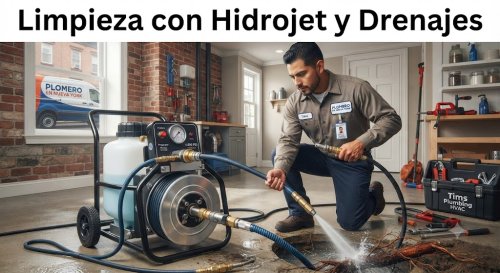
- Temporary Drainage Clearing Pitfalls: Chemical drain cleaners or basic mechanical snaking often provide only temporary relief. In many cases, these methods punch a small hole through root masses or grease clogs without resolving underlying structural defects like offset joints or collapsed clay tile sewer lines common in older neighborhoods.
- Static Pressure vs. Dynamic Flow: Homeowners often confuse static water pressure (measured in PSI when no fixtures are running) with dynamic flow rate (measured in GPM when multiple taps are open). A high static pressure reading can plummet instantly if undersized or corroded supply pipes restrict volumetric flow.
- New Orleans Soil Subsidence: The high moisture content and shifting nature of southeast Louisiana soils place extreme shear stress on underground utility penetrations through foundation walls and slab perimeters.
Safe Homeowner Triage vs. Dangerous DIY Boundaries
Before attempting any diagnostic evaluation related to {{ $json.selected_topic }}, homeowners must understand the strict boundary between safe preliminary assessment and hazardous intervention.
Safe Homeowner Triage Steps
- Locate Shutoff Valves: Identify the primary indoor water shutoff valve and verify its operational status. Know the location of the outdoor water meter box curb stop in case of emergency.
- Perform Dye Testing: Use non-staining diagnostic dye tablets in toilet tanks to check for silent flapper leaks traveling into the bowl.
- Monitor Water Meters: Observe the low-flow indicator dial on the property water meter while ensuring all household taps remain closed to detect hidden supply leaks.
- Inspect Accessible Cleanouts: Visually check accessible cleanout plugs in basements, crawlspaces, or utility rooms for signs of seepage without opening them.
Explicit DIY Warnings
Never unthread a sewer cleanout cap if water is actively backing up or if the system is under liquid head pressure, as sudden release can cause severe injury and sewage contamination. Never attempt to service gas lines, flexible gas connectors, or electrical components located in flooded crawlspaces or basements. Finally, avoid pouring corrosive chemical acid drain openers into vintage cast-iron drainage systems, as accelerated thermal reactions can crack brittle historic pipes.
Realistic Repair Approaches and Decision Support
When addressing {{ $json.selected_topic }}, repair strategies must balance longevity, structural integrity, and property accessibility. The following comparison outlines standard repair methodologies:
| Repair Approach | Best Applied When | Key Consideration in New Orleans |
|---|---|---|
| Spot Clamp / Sleeve | Localized pinhole leaks in accessible straight-run pipes. | Temporary fix if surrounding pipe wall thickness is compromised by internal corrosion. |
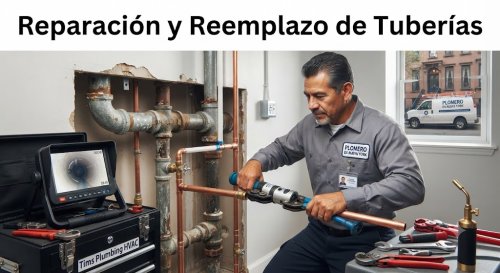
| Sectional Replacement | Localized root intrusion, cracked fittings, or deteriorated cast iron sections. | Requires careful excavation around historic pier-and-beam foundations or concrete slabs. |
| Trenchless Lining / Repiping | Widespread internal pipe wall failure or extensive sub-slab damage. | Minimizes surface destruction under landscaped yards or historic flooring surfaces. |
Cost and repair duration vary significantly based on physical accessibility (such as tight crawlspaces beneath elevated historic homes or concrete slab penetrations), local municipal permitting requirements in Orleans Parish, and the structural material of the existing infrastructure.
Frequently Asked Questions
1. How does high groundwater in New Orleans impact {{ $json.selected_topic }}?
High water tables and saturated soils exert external hydrostatic pressure on underground drainage pipes, increasing the risk of joint separation, infiltration, and structural shifting, which directly impacts the performance of {{ $json.selected_topic }}.
2. Can a blocked vent stack mimic the symptoms of {{ $json.selected_topic }}?
Yes. If air cannot enter the drainage system through the roof vent, wastewater flow creates a vacuum that slows down drainage across multiple fixtures, producing gurgling sounds and sluggish discharge patterns.
3. What are the dangers of using chemical drain cleaners on older New Orleans plumbing?
Historic homes often feature aged cast-iron or galvanized piping. Strong chemical acids generate intense heat during chemical reactions, which can crack brittle pipe walls and worsen existing structural failures.
4. How can I verify if an underground leak is on the public main or private property?
The municipal utility provider is responsible for infrastructure up to the water meter or property curb stop. Any piping, supply lines, or sewer laterals past the meter box fall under private homeowner responsibility.
5. Why does water damage from {{ $json.selected_topic }} often appear far from the actual leak source?
Water follows the path of least resistance along structural elements, floor joists, and subflooring. Gravity causes liquid to travel horizontally across framing members before pooling and manifesting as a ceiling stain or wall dampness at a distant location.
6. What factors influence the complexity of repairing {{ $json.selected_topic }} in historic shotgun homes?
Narrow structural clearances in crawlspaces, delicate antique interior finishes, fragile vintage piping materials, and restricted street access for equipment all contribute to the diagnostic and repair complexity in historic architecture.