Emergency Plumber in Jefferson, LA: Sewer Backup Fix
Facing a main sewer backup in Jefferson, LA? Learn emergency steps, causes, repair costs, and how to hire a local plumber.
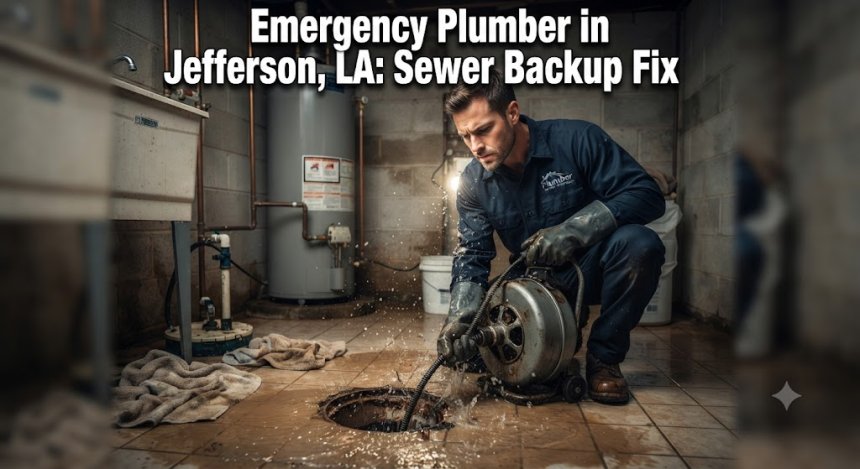
Emergency Plumber in Jefferson, LA: What to Do When Your Main Sewer Backs Up
Dealing with raw sewage spilling into your living space is one of the most stressful crises a property owner can face. Homeowners and business owners across Jefferson, Metairie, Elmwood, Harahan, and the greater Jefferson Parish area frequently encounter sudden drainage disasters due to aging infrastructure, shifting delta soils, and invasive tree roots. When wastewater fails to leave your property and instead forces its way back up through floor drains, showers, and toilets, it creates an immediate biohazard that threatens your health and property. Knowing how to secure an emergency plumber in Jefferson, LA is essential for mitigating catastrophic property loss and protecting your investment. Immediate action stops structural damage and hazardous bacterial contamination, which is why local residents search for professional guidance before a localized drainage hitch turns into a full-scale catastrophe.
What Is a Main Sewer Backup?
A main sewer backup occurs when the primary waste line connecting your home to the municipal sewer main becomes completely blocked or broken, forcing wastewater to reverse flow and emerge inside the building.
-
Definition: A complete or partial blockage in the main sewer lateral that pushes household sewage backward through low-lying interior drains.
-
Common Situations: Multiple fixtures gurgling or overflowing simultaneously when a toilet is flushed or a washing machine drains.
-
Symptoms: Water pooling in basement floor drains, multiple slow-draining fixtures, foul sewage odors, and gurgling plumbing sounds.
-
Examples: A homeowner in Jefferson flushing a toilet only to watch brown wastewater bubble up out of the shower drain across the bathroom floor.
Why Does This Plumbing Problem Happen?
Understanding the underlying mechanical failures of your drainage system helps prevent recurring sewage disasters.
-
Aging Pipes: Decades-old cast iron or clay sewer lines crack, sag, or collapse under shifting soil loads.
-
Corrosion: Internal pipe deterioration creates rough surfaces that catch solid debris and waste.
-
Tree Roots: Aggressive root systems from regional oak and willow trees pierce pipe joints in search of moisture, forming dense blockages.
-
Hard Water: Heavy mineral buildup narrows pipe diameters over years of continuous use.
-
High Water Pressure: While mostly affecting supply lines, pressure imbalances can stress overall home drainage dynamics.
-
Improper Installation: Sewer lines laid with incorrect pitch or inadequate slope fail to maintain self-cleansing velocity.
-
Poor Maintenance: Ignoring minor slow drains until structural collapse or total root intrusion occurs.
-
Seasonal Weather: Heavy torrential rains typical of southern Louisiana surcharge municipal mains, forcing stormwater backward.
-
Frozen Pipes: Though rare in Jefferson, unusual sub-freezing events can freeze shallow exterior drain pipes.
-
Clogs: Massive accumulations of grease, hygiene products, or non-flushable wipes jammed in the line.
-
Sewer Backups: Secondary blockages caused by structural failures in municipal main lines.
-
Worn Plumbing Fixtures: Failing backwater valves that allow municipal flow to enter private properties.
Signs You Should Never Ignore
Recognizing early warning signs gives you a critical window to address sewer issues before wastewater floods your living areas.
-
Water Stains: Discoloration on lower walls or foundational slabs near sewer line pathways.
-
Slow Drains: Sinks, tubs, and showers that drain sluggishly across the entire house simultaneously.
-
Low Water Pressure: Unrelated to sewer lines, but sudden pressure issues can compound multi-fixture troubles.
-
High Water Bills: Unexplained spikes indicating hidden water loss or constant fixture running.
-
Damp Walls: Moisture soaking through baseboards near primary wet walls.
-
Mold Growth: Musty, earthy odors or mold blooming near floor drains and baseboards.
-
Strange Noises: Loud gurgling bubbles rising from toilets when washing machines drain.
-
Bad Smells: Persistent sewer gas odors lingering inside utility rooms or bathrooms.
-
Standing Water: Unexplained puddles forming around basement or laundry room floor drains.
-
Discolored Water: Murky, debris-filled water backing up into ground-floor fixtures.
Common Plumbing Problems Related to This Issue
A main sewer backup frequently triggers or accompanies several secondary household plumbing challenges.
-
Pipe leaks: Structural wastewater leaks undermining subflooring and building foundations.
-
Drain clogs: Branch line obstructions compounding main lateral failures.
-
Sewer backups: The primary catastrophe causing total household drainage failure.
-
Water heater failures: Floor-level heating units ruined by standing contaminated water.
-
Burst pipes: Pressure surges cracking compromised supply and waste connectors.
-
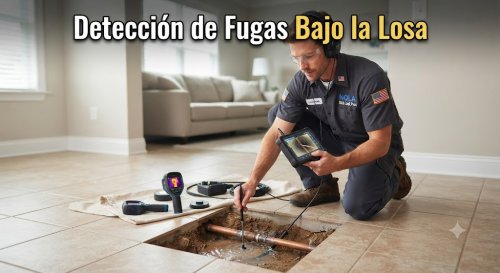
Slab leaks: Sub-foundation waste line fractures eroding supportive soil under concrete.
-
Fixture damage: Rotted cabinetry, ruined drywall, and warped hardwood flooring.
Step-by-Step Professional Repair Process
When a licensed plumber responds to a main sewer backup emergency, they execute a disciplined, multi-step repair protocol.
-
Step 1 Inspection: Locate the main sewer cleanout, assess the scope of the backup, and evaluate environmental hazards.
-
Step 2 Diagnosis: Deploy high-resolution drain cameras down the sewer lateral to pinpoint roots, breaks, or structural bellies.
-
Step 3 Estimate: Provide a transparent, written cost breakdown detailing clearing methods, repair scope, and replacement options.
-
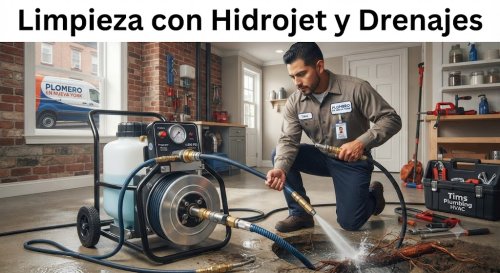
Step 4 Repair: Utilize heavy-duty cable augers, hydro jetting, or trenchless pipe lining to clear or reconstruct the damaged sewer line.
-
Step 5 Testing: Perform rigorous flow tests and re-inspect the line with a camera to verify complete obstruction removal.
-
Step 6 Cleanup: Sanitize affected work zones, remove biohazard debris, and ensure the area is safe for habitation.
-
Step 7 Maintenance Advice: Offer professional recommendations on root maintenance, backwater valves, and periodic inspection schedules.
Can You Fix It Yourself?
Dealing with a main sewer backup is a hazardous plumbing emergency that requires commercial equipment and professional expertise.
-
Safe DIY Solutions: Immediately ceasing all water use inside the home to prevent further sewage overflow.
-
Temporary Fixes: Opening outdoor sewer cleanout caps (if safely accessible) to let backup water vent outside instead of inside your home.
-
What Homeowners Can Safely Do: Wear protective rubber boots and gloves, avoid contact with wastewater, and keep family members away from flooded zones.
-
When DIY Becomes Dangerous: Attempting to force manual drain snakes through a main sewer line without knowing the pipe condition can puncture old pipes or cause severe injury.
-
When Professional Plumbing is Necessary: Any main line blockage, raw sewage backup, or collapsed underground pipe requires certified professional intervention immediately.
Tools Professionals Use
Professional plumbing companies rely on specialized diagnostic and clearing equipment to resolve sewer emergencies accurately.
-
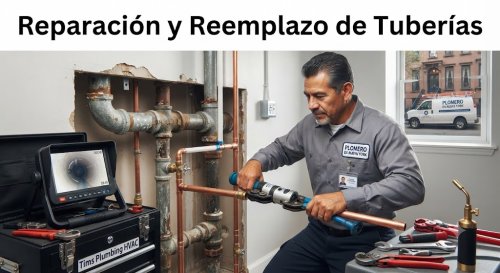
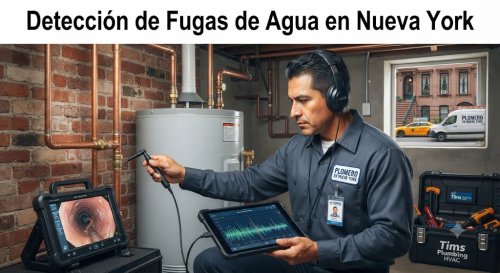
Drain Cameras: Waterproof push-rod cameras used to inspect the exact interior condition of underground sewer lines.
-
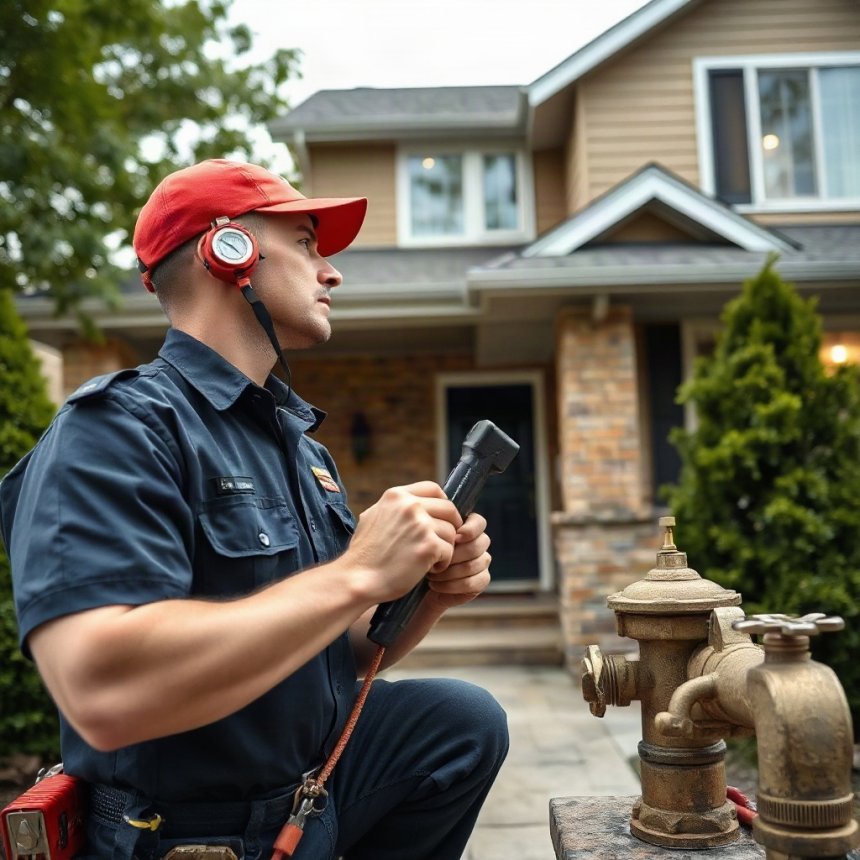
Leak Detection Equipment: Acoustic sensors used to track hidden line problems.
-
Hydro Jetting: High-pressure water scouring units that blast away stubborn roots, grease, and scale.
-
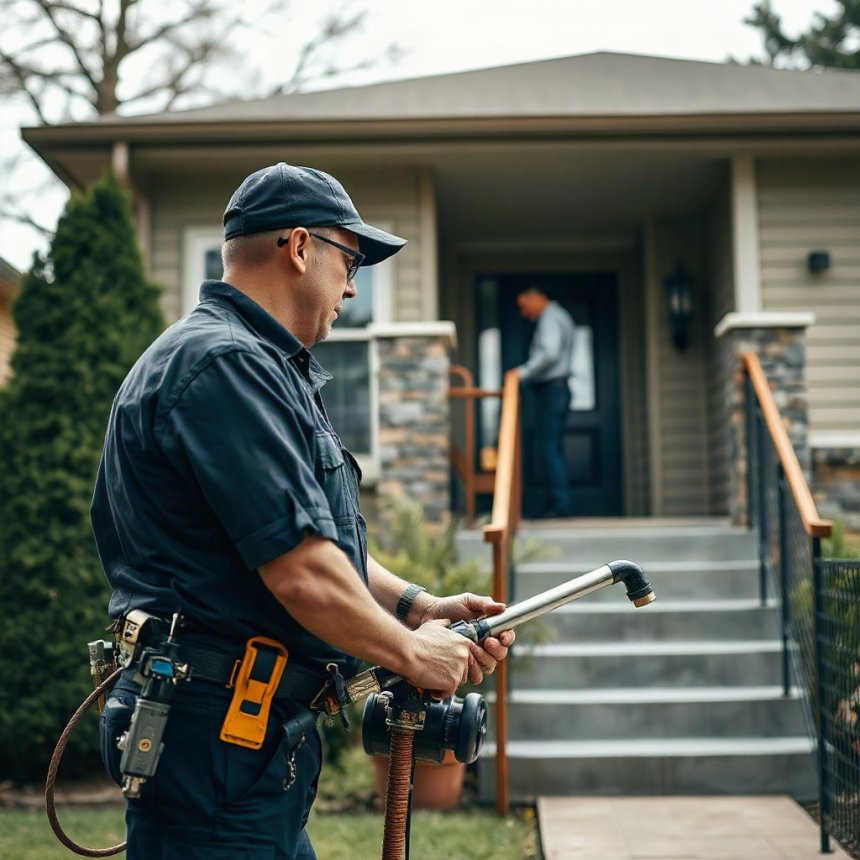
Pipe Locators: Radio-frequency transmitters that map the exact depth and path of buried sewer pipes.
-
Pressure Testing Gauges: Precision tools to test system integrity after repairs.
-
Pipe Inspection Cameras: Advanced optic scopes for detailed joint analysis.
-
Trenchless Equipment: Pipe bursting and lining gear used to repair underground lines without tearing up landscaping.
How Long Does the Repair Usually Take?
-
Simple repairs: 1 to 2 hours for clearing a standard root blockage or grease clog with an auger or hydro jet.
-
Moderate repairs: 3 to 6 hours for repairing a localized section of broken sewer pipe or installing a cleanout.
-
Major repairs: 1 to 3 days for extensive trenchless pipe lining or complete sewer lateral replacement.
-
Emergency repairs: Immediate response and temporary mitigation happen within hours, with full restoration completed as quickly as safety allows.
-
Factors Affecting Repair Time: Depth of the sewer line, extent of root damage, yard landscaping obstacles, and municipal connection requirements.
Cost Factors
Plumbing repair costs vary depending on the severity of the problem, accessibility, materials required, emergency service, property type, and local labor rates.
-
Diagnostic fees: Flat-rate charges for dispatching a technician and running a camera inspection.
-
Parts: Cost of PVC replacement pipe, connectors, cleanout fittings, or lining resin.
-
Labor: Certified technician hours required for excavation, jetting, or trenchless repair.
-
Emergency service charges: Premium rates for after-hours, weekend, or holiday emergency dispatches.
-
Equipment needed: Specialized deployment of high-pressure hydro jetters and heavy camera rigs.
-
Permit costs: Municipal fees required for street or property line plumbing work if applicable.
-
Replacement vs repair: Spot repairs versus a complete sewer lateral overhaul.
-
Accessibility of pipes: Extra labor required if sewer lines run beneath concrete slabs, large trees, or paved driveways.
Hidden Truths Homeowners Should Know
-
Small slow drains quickly turn into catastrophic raw sewage backups if ignored.
-
Cheap chemical drain openers will not dissolve tree roots or clear collapsed main sewer lines.
-
Homeowners insurance policies frequently deny claims for sewer backups unless a specific rider is purchased.
-
Tree roots will repeatedly re-enter sewer lines every year until the damaged pipe is lined or replaced.
-
Hard water and mineral scale shorten the overall structural lifespan of underground drainage pipes.
-
DIY snake mistakes can puncture aged cast iron pipes, drastically increasing overall repair bills.
-
Delaying professional repairs causes severe subfloor destruction and hazardous foundational settling.
-
Hidden underground sewer leaks erode soil beneath concrete slabs and driveways.
-
Mold and harmful bacteria develop rapidly in humid Louisiana environments, blooming within 24 hours of sewage exposure.
-
Annual sewer maintenance and camera inspections save thousands of dollars in emergency remediation fees.
15 Common Mistakes Homeowners Make
-
Ignoring slow drains: Waiting until multiple fixtures back up simultaneously.
-
Using chemical drain cleaners: Pouring harsh acids that damage pipes without clearing roots.
-
Flushing wipes: Disposing of wet wipes or paper towels labeled as flushable.
-
Pouring grease into drains: Disposing of cooking oils that solidify inside cold sewer lines.
-
Ignoring water pressure problems: Failing to connect pressure symptoms to broader plumbing stress.
-
Hiring unlicensed handymen: Risking improper sewer repairs that fail inspection.
-
Skipping maintenance: Neglecting annual sewer line cleaning and camera checks.
-
Waiting until emergencies: Delaying service until raw sewage floods living spaces.
-
Using wrong pipe materials: Mixing incompatible pipe diameters during DIY fixes.
-
Over-tightening fittings: Damaging plastic adapters during cleanout maintenance.
-
Planting trees near lines: Placing water-hungry trees directly over underground sewer paths.
-
Neglecting backwater valves: Failing to install valves in flood-prone southern zones.
-
Delaying cleanup: Leaving sewage standing on subfloors, causing permanent structural rot.
-
Not checking meter dials: Overlooking constant water flow indicators.
-
Hiding cleanouts: Paving or landscaping over essential sewer access points.
Maintenance Tips
-
Schedule an annual professional camera inspection of your main sewer line.
-
Keep large trees and shrubs away from underground sewer lateral pathways.
-
Never flush paper towels, hygiene wipes, cotton balls, or feminine products.
-
Avoid pouring cooking grease, oils, or coffee grounds down any household drain.
-
Install a backwater prevention valve to protect your home from municipal sewer surges.
-
Know the exact location of your outdoor sewer cleanout cap and keep it accessible.
-
Use enzyme-based drain treatments recommended by licensed plumbers to break down organic buildup.
-
Test your main water shutoff valve regularly to ensure smooth operation during emergencies.
-
Educate all household members on proper waste disposal practices.
-
Keep emergency plumber contact numbers saved in your mobile phone.
-
Monitor monthly water bills for unexplained consumption spikes.
-
Ensure roof vent stacks remain clear of leaves, debris, and animal nests.
-
Inspect basement and utility room floor drains periodically for signs of bubbling.
-
Address single-fixture slow drains before they turn into full main line blocks.
-
Consult professional plumbers before undertaking major landscaping or concrete projects near sewer lines.
When Should You Call an Emergency Plumber?
-
Burst pipes: High-volume water flooding living areas from broken supply lines.
-
Sewage backup: Contaminated wastewater flooding upward through multiple home drains.
-
No running water: Complete loss of water supply without municipal outage notices.
-
Overflowing toilet: A bowl rising uncontrollably despite shutting off supply valves.
-
Gas line concerns: Smelling sulfur or rotten eggs near gas water heaters.
-
Major water leaks: Uncontrolled flooding from broken plumbing lines.
-
Flooding: Standing water accumulating rapidly from severe system failures.
Frequently Asked Questions
-
Why is my water pressure suddenly low? Sudden pressure drops usually stem from a partially closed main valve, a failing pressure-reducing valve, or a hidden supply leak.
-
How much does leak detection cost? Costs vary based on property size and equipment required, but professional electronic detection provides precise results to save on excavation costs.
-
Can a clogged drain damage pipes? Yes, prolonged pressure from severe clogs and chemical cleaners can crack pipe joints and lead to major leaks.
-
Is hydro jetting safe for old pipes? A licensed plumber evaluates pipe age and material before adjusting water pressure levels to ensure safe, effective cleaning.
-
How do I know if my sewer line is broken? Frequent backups across multiple fixtures, soggy yard patches, and foul odors point directly to a compromised sewer lateral.
-
How long do water heaters last? Standard tank water heaters generally last between 8 to 12 years with proper annual maintenance.
-
Why does my faucet drip? Dripping faucets usually stem from worn-out internal washers, O-rings, or corroded valve seats.
-
What causes pipes to burst? Pipes burst due to severe water pressure, extreme freezing temperatures, heavy corrosion, or physical ground shifts.
-
Can plumbing leaks increase my water bill? Even a small hidden leak can waste hundreds of gallons daily, driving up utility bills significantly.