Emergency Plumber in Algiers: Water Line Breaks Guide
Facing a broken water line in Algiers, New Orleans? Learn emergency steps, repair costs, causes, and how to hire a local expert.
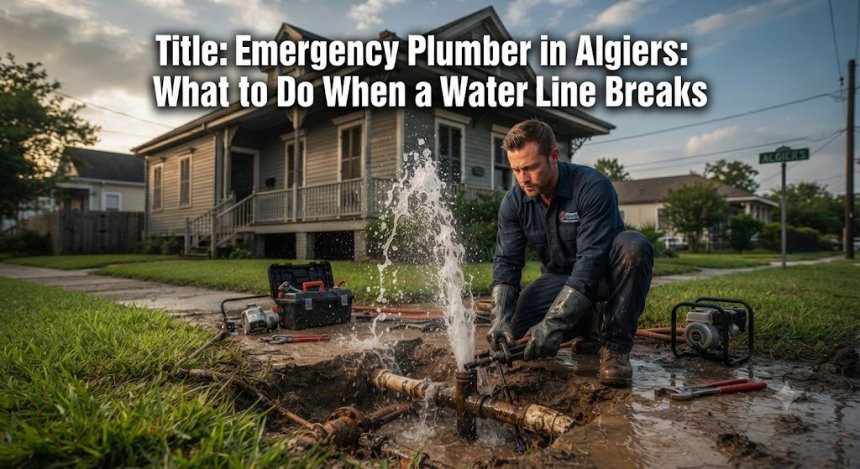
Emergency Plumber in Algiers: What to Do When a Water Line Break Happens
Experiencing a sudden plumbing crisis can instantly upend your day, especially when the main supply line fails. Property owners across Algiers, Algiers Point,cutters, and surrounding Orleans Parish neighborhoods frequently encounter severe water failures due to shifting delta soils, aging municipal infrastructure, and weather extremes. When a primary water line ruptures, thousands of gallons of pressurized water can flood your yard, erode your foundation, and disrupt your household in minutes. Knowing what to do when you need an emergency plumber in Algiers is essential for minimizing costly water damage and keeping your property safe. Immediate professional attention prevents structural undermining, mold growth, and massive utility bills, which is why residents search for actionable guidance before hiring a licensed expert.
What Is a Water Line Break?
A water line break is a major structural failure of the pressurized pipe that delivers municipal water from the street meter directly into your home or commercial building.
-
Definition: A complete rupture, split, or severe fracture in the main incoming water supply pipe.
-
Common Situations: A pipe snapping underground in the front yard, a supply connection tearing away near the foundation, or a rigid pipe cracking due to severe ground movement.
-
Symptoms: Geysers erupting in the yard, soggy lawns during dry weather, sudden loss of water pressure, hissing sounds near the main entry point, and muddy water flowing from taps.
-
Examples: A homeowner in old Algiers Point waking up to a completely flooded crawlspace because an old galvanized supply line snapped overnight under high pressure.
Why Does This Plumbing Problem Happen?
Understanding the root causes of supply line failures can help property owners anticipate risks and protect their plumbing systems.
-
Aging Pipes: Galvanized steel, iron, and older plastic pipes degrade over decades, becoming brittle and susceptible to fracture.
-
Corrosion: Soil acidity and chemical interactions weaken metal pipe walls from the outside in, creating thin spots that eventually blow out.
-
Tree Roots: Aggressive root systems from grand live oaks throughout New Orleans seek out moisture, wrapping around pipes and crushing or puncturing them.
-
Hard Water: Mineral scale buildup restricts interior volume, increases internal friction, and stresses pipe walls over time.
-
High Water Pressure: Municipal pressure spikes batter old connections, joints, and valves continuously until a rupture occurs.
-
Improper Installation: Pipes laid without proper bedding material or buried at insufficient depths are vulnerable to external pressures.
-
Poor Maintenance: Ignoring minor damp spots or failing to monitor aging shutoff valves.
-
Seasonal Weather: Rapid temperature shifts and occasional freezes can stress rigid underground lines.
-
Clogs and Backups: Severe pressure spikes inside the system can force weak pipe joints apart.
-
Worn Plumbing Fixtures: Failing pressure-reducing valves or old main shutoff gates that fail to isolate pressure properly.
Signs You Should Never Ignore
Recognizing early warning signs gives you a crucial window to act before a complete structural rupture occurs.
-
Water Stains: Discoloration on interior lower walls or baseboards pointing to a pressurized leak tracking inside.
-
Slow Drains: Though often linked to blockages, concurrent pressure drops can signal a major line failure.
-
Low Water Pressure: A sudden, unexplained reduction in water flow across all household fixtures indicates a compromised main line.
-
High Water Bills: An unexpected surge in your municipal water utility bill signals continuous, hidden water loss.
-
Damp Walls: Moisture soaking through drywall near the main entry point of the water service.
-
Mold Growth: Musty odors or mildew forming rapidly in low-lying areas like crawlspaces or basements.
-
Strange Noises: Banging, whistling, or rushing water sounds heard when no taps are open.
-
Bad Smells: Stagnant water pooling near the foundation mixing with soil and organic debris.
-
Standing Water: Puddles forming in your yard during dry periods, indicating a broken underground supply pipe.
-
Discolored Water: Rusty or brown water emerging temporarily after a pressure drop or pipe fracture.
Common Plumbing Problems Related to This Issue
A major water line failure often triggers or coincides with other household plumbing complications.
-
Pipe leaks: Pinholes and minor joint drips expanding into full-scale ruptures.
-
Drain clogs: Excess water accumulation straining neighboring waste lines.
-
Sewer backups: Saturated ground putting external pressure on adjacent sewer laterals.
-
Water heater failures: Sudden pressure drops starving the tank and burning out heating elements.
-
Burst pipes: Secondary indoor lines splitting due to uncontrolled pressure shockwaves.
-
Slab leaks: Undetected breaks beneath concrete foundations washing away supportive sub-base soil.
-
Fixture damage: Sediment and debris clogging faucet cartridges and ruining valve seats.
Step-by-Step Professional Repair Process
When a licensed plumber arrives to handle a main line emergency, they follow a rigorous, methodical process.
-
Step 1 Inspection: Locate the main shutoff valve, evaluate the flooding scope, and visually check the property layout.
-
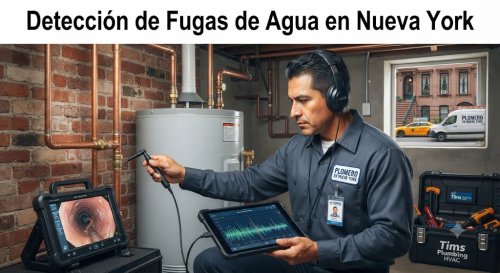
Step 2 Diagnosis: Utilize electronic acoustic listening devices and pressure gauges to pinpoint the exact break location underground or beneath slabs.
-
Step 3 Estimate: Provide a transparent, written cost breakdown detailing labor, material choices, and estimated completion times.
-
Step 4 Repair: Excavate the affected area safely, cut away the damaged pipe section, and install durable modern replacement piping like PEX or Schedule 80 PVC.
-
Step 5 Testing: Re-pressurize the system slowly and perform rigorous pressure drop tests to ensure total watertight integrity.
-
Step 6 Cleanup: Backfill excavation trenches, tamp soil securely, and restore the work area to a neat condition.
-
Step 7 Maintenance Advice: Provide professional guidance on pressure-reducing valves and future system monitoring.
Can You Fix It Yourself?
Major water line breaks are complex, high-pressure emergencies that require professional intervention rather than DIY fixes.
-
Safe DIY Solutions: Safely locating and turning off the main water meter valve at the street to stop active flooding.
-
Temporary Fixes: There are no permanent DIY fixes for a broken main pressure line; rubber patch tapes will immediately fail under municipal water pressure.
-
What Homeowners Can Safely Do: Move valuables out of standing water, document damage for insurance, and clear pathways for emergency technicians.
-
When DIY Becomes Dangerous: Digging blindly without utility locates risks striking underground electric or gas lines, causing severe injury.
-
When Professional Plumbing is Necessary: Any main supply line break requires licensed expertise, heavy excavation tools, and municipal permit compliance.
Tools Professionals Use
Professional plumbing companies rely on specialized diagnostic and repair equipment to resolve major leaks accurately.
-
Drain Cameras: Push-rod cameras used to inspect interior pipe conditions where applicable.
-
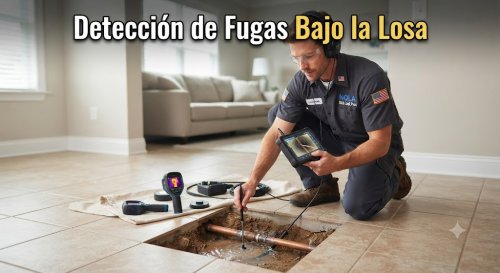
Leak Detection Equipment: Highly sensitive acoustic listening gear that hones in on the exact sound of water escaping under pressure.
-
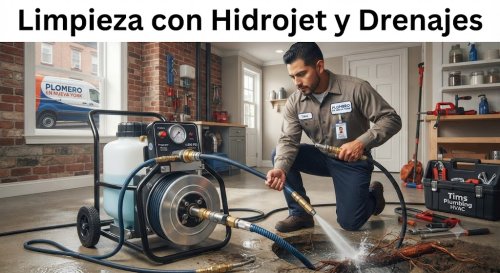
Hydro Jetting: High-pressure water blasters utilized to clear stubborn blockages and prep lines.
-
Pipe Locators: Electromagnetic transmitters and receivers used to map underground pipe paths precisely.
-
Pressure Testing Gauges: Professional-grade dials used to verify system holding capacity.
-
Pipe Inspection Cameras: Advanced scopes for viewing interior line damage.
-
Trenchless Equipment: Pipe pulling and boring tools designed to replace lines with minimal landscape destruction.
How Long Does the Repair Usually Take?
-
Simple repairs: 1 to 2 hours for replacing a localized, easily accessible shutoff valve or outdoor connector.
-
Moderate repairs: 3 to 5 hours for uncovering and replacing a short section of damaged yard piping.
-
Major repairs: 1 to 2 days for extensive trenching, deep main line replacement, or complex routing.
-
Emergency repairs: Immediate shutoff takes minutes, with full restoration completed same-day whenever possible.
-
Factors Affecting Repair Time: Depth of the pipe, soil conditions in the New Orleans area, presence of tree roots, and accessibility under structures.
Cost Factors
Plumbing repair costs vary depending on the severity of the problem, accessibility, materials required, emergency service, property type, and local labor rates.
-
Diagnostic fees: Flat rates for dispatching a technician and identifying the root failure.
-
Parts: Cost of durable replacement piping, fittings, and shutoff valves.
-
Labor: Hours required for excavation, pipe replacement, and system testing.
-
Emergency service charges: Fees associated with after-hours, weekend, or holiday callouts.
-
Equipment needed: Deployment of specialized acoustic leak detectors or mini-excavators.
-
Permit costs: Local municipal fees required for major plumbing line replacements.
-
Replacement vs repair: Spot patching versus running an entirely new service line.
-
Accessibility of pipes: Extra labor required if lines run beneath concrete, porches, or dense landscaping.
Hidden Truths Homeowners Should Know
-
Small pinhole leaks quickly escalate into expensive structural repairs if left unaddressed.
-
Cheap temporary pipe patches invariably fail under standard municipal water pressure.
-
Homeowners insurance policies frequently deny claims resulting from neglected, long-term plumbing deterioration.
-
Aggressive tree roots will repeatedly damage repaired lines until the compromised section is fully replaced or rerouted.
-
Hard water shortens the lifespan of fixtures, valves, and water heaters throughout the home.
-
Amateur DIY plumbing mistakes compound initial damage and increase final professional repair costs.
-
Delaying repairs causes foundational shifting, wood rot, and structural damage.
-
Hidden underground leaks increase utility bills dramatically without indoor visual cues.
-
Mold develops quickly in humid southern climates, spreading within 24 hours of moisture exposure.
-
Annual maintenance saves money by catching minor vulnerabilities before they turn into emergencies.
15 Common Mistakes Homeowners Make
-
Ignoring leaks: Waiting until a small damp patch turns into a massive yard geyser.
-
Using chemical drain cleaners: Pouring harsh acids that degrade old pipe walls.
-
Flushing wipes: Disposing of flushable wipes that create severe system blockages.
-
Pouring grease into drains: Allowing fats to solidify and choke waste pipes.
-
Ignoring water pressure problems: Allowing high psi to batter supply connections.
-
Hiring unlicensed plumbers: Risking substandard workmanship and code violations.
-
Skipping maintenance: Failing to inspect main valves and lines annually.
-
Waiting until emergencies: Delaying service until total system failure occurs.
-
Using wrong pipe materials: Mixing incompatible metals that trigger galvanic corrosion.
-
Over-tightening plumbing fittings: Cracking threaded connectors and brass joints.
-
Failing to locate shutoff valves: Panicking during a flood because the main valve is unknown.
-
Neglecting outdoor spigots: Leaving exterior fixtures unprotected during winter drops.
-
Improper waste disposal: Flushing inappropriate items down toilets.
-
Delaying pressure-reducing valve replacement: Exposing lines to unregulated city pressure.
-
Not checking meter dials: Overlooking slow utility meter turns that signal hidden leaks.
Maintenance Tips
-
Inspect exposed pipes in your utility areas and crawlspaces monthly for signs of moisture.
-
Test your main water shutoff valve semi-annually to ensure it operates smoothly.
-
Monitor your monthly water bill for sudden, unexplained consumption spikes.
-
Keep trees and deep-root shrubs planted well away from your main water service line.
-
Install a high-quality pressure-reducing valve to protect your home from municipal pressure surges.
-
Flush your water heater tank annually to prevent sediment accumulation.
-
Check your property's exterior meter box periodically for unusual moisture or movement.
-
Insulate exposed exterior pipes against rare winter freezes.
-
Know the exact location of your main property shutoff valve and keep it clear of debris.
-
Avoid planting large trees directly over underground utility pathways.
-
Clean aerators regularly to maintain balanced household water pressure.
-
Schedule an annual plumbing inspection with a licensed professional.
-
Keep emergency plumbing contact numbers saved in your mobile phone.
-
Address slow-draining fixtures immediately before they create backup pressures.
-
Use stainless steel braided supply lines for all major water-using appliances.
When Should You Call an Emergency Plumber?
-
Burst pipes: High-volume water spraying uncontrollably inside or outside the home.
-
Sewage backup: Contaminated wastewater flooding upward through household drains.
-
No running water: Total loss of municipal water supply without neighborhood outages.
-
Overflowing toilet: A bowl rising uncontrollably despite shutting off the fixture valve.
-
Gas line concerns: Smelling sulfur or rotten eggs near gas-powered appliances.
-
Major water leaks: Uncontrolled flooding from a broken main supply line.
-
Flooding: Standing water accumulating rapidly from plumbing failures.
Frequently Asked Questions
-
Why is my water pressure suddenly low? A sudden pressure drop typically indicates a main line break, a failing pressure-reducing valve, or a partially closed shutoff valve.
-
How much does leak detection cost? Costs vary based on property layout and equipment needed, but professional electronic detection provides precise results to save on excavation costs.
-
Can a clogged drain damage pipes? Yes, prolonged pressure from severe clogs and chemical cleaners can crack pipe joints and lead to leaks.
-
Is hydro jetting safe for old pipes? A licensed plumber evaluates pipe age and material before adjusting pressure levels to ensure safe cleaning.
-
How do I know if my sewer line is broken? Frequent backups, soggy yard spots, and foul odors point directly to a compromised sewer lateral.
-
How long do water heaters last? Standard tank water heaters generally last between 8 to 12 years with proper maintenance.
-
Why does my faucet drip? Dripping faucets usually stem from worn-out internal washers, O-rings, or corroded valve seats.
-
What causes pipes to burst? Pipes burst due to severe water pressure, extreme freezing temperatures, heavy corrosion, or physical ground shifts.
-
Can plumbing leaks increase my water bill? Even a small hidden leak can waste hundreds of gallons daily, driving up utility bills significantly.
-
When should I replace plumbing instead of repairing it? If your home has heavily corroded pipes or recurring leaks, a full repipe is safer and more cost-effective.