Clearing Tree Roots in New Orleans Sewer Lines | Plumber Guide
Learn how tree roots infiltrate New Orleans sewer lines, safe homeowner triage methods, and when professional hydro-jetting or trenchless repair is needed.

Understanding Tree Root Intrusion in New Orleans Sewer Lines
Tree roots infiltrate underground sewer lateral lines by following thermal gradients, moisture plumes, and nutrient-rich vapor escaping through microscopic pipe joints or hairline structural cracks. Once roots make contact with a compromised joint—common in older New Orleans properties featuring aging cast iron or brittle clay infrastructure—they enter the pipe interior, where the constant flow of warm wastewater acts as a hydroponic fertilizer. This biological interaction causes roots to rapidly proliferate into dense, hair-like mats that catch toilet paper, grease, and debris, ultimately creating severe blockages or structural collapses within the main building drain.
To diagnose the exact source of a drainage failure, a Master Plumber must distinguish between fixture-specific clogs, branch line restrictions, and main building sewer line failures. If a single sink or tub drains slowly while everything else operates normally, the issue is typically localized to that fixture's trap or branch drain. However, when multiple plumbing fixtures—such as toilets gurgling when washing machines discharge, floor drains backing up, or showers overflowing during a flush—simultaneously exhibit sluggish behavior or complete stoppage, the fault lies within the main sewer lateral where root intrusion is frequently the primary culprit.
Overlooked Trade Secrets: Why Temporary Snaking Masks Impending Pipe Failure
Standard DIY rooter cables or basic mechanical augers often provide only a temporary illusion of a permanent fix. When a standard steel cable punches a hole through a dense root mass, water begins to drain again, leading homeowners to believe the problem is solved. However, mechanical snaking merely carves a tunnel through the root ball without removing the root tissue entirely from the pipe wall or sealing the structural breach that invited the intrusion in the first place. Within weeks, the remaining roots regenerate with accelerated vigor, or the underlying pipe failure worsens.
Compounding this issue in New Orleans is our unique regional geography. High groundwater tables, persistent soil subsidence, and shifting alluvial delta soils place relentless mechanical stress on underground plumbing networks. When localized soil settles around a lateral pipe, joints pull apart or structural cracks widen. Furthermore, root infiltration is frequently accelerated by vent stack restrictions. If your roof vent stack is partially blocked by leaves, bird nests, or construction debris, it creates a negative pressure vacuum in the drainage system that pulls root fibers tighter against pipe walls and exacerbates slow drainage across the entire property.
Safe Homeowner Triage vs. Dangerous DIY Boundaries
Before calling for professional intervention, homeowners can safely perform specific diagnostic steps to isolate drainage anomalies without risking personal injury or system damage:
- Locate Main Cleanouts: Identify accessible outdoor and indoor sewer cleanouts to verify whether backups originate from the municipal connection or private property lines.
- Perform Dye Tests: Introduce water-soluble plumbing dye into upper-story fixtures to track flow integrity and detect hidden leaks or fractured vertical stacks.
- Monitor Water Meters: Observe the low-flow indicator dial on your property's water meter over a two-hour period of zero water usage to rule out active supply leaks that might saturate surrounding soils and attract root systems.
Explicit Safety Warnings: Never attempt to unthread sewer cleanout caps if standing wastewater is backed up under liquid head pressure, as the sudden release of biohazardous fluid can cause severe contamination and injury. Avoid using harsh chemical acid drain cleaners in vintage cast-iron or fragile clay pipes; the exothermic reaction generated by these chemicals can crack brittle pipe walls, destroy remaining joint seals, and severely burn skin upon contact.
Realistic Repair Approaches and Decision Support
When dealing with persistent root infiltrations, professional plumbing contractors rely on tiered intervention strategies depending on the structural condition of the pipe as revealed by high-definition optical sewer camera inspections:
| Repair Methodology | Best Applied When... | New Orleans Operational Considerations |
|---|---|---|
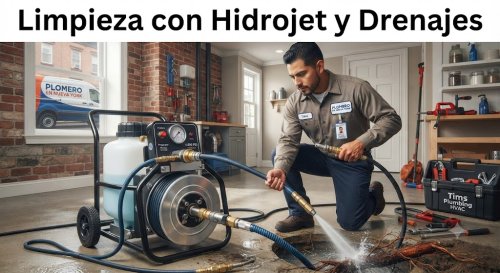
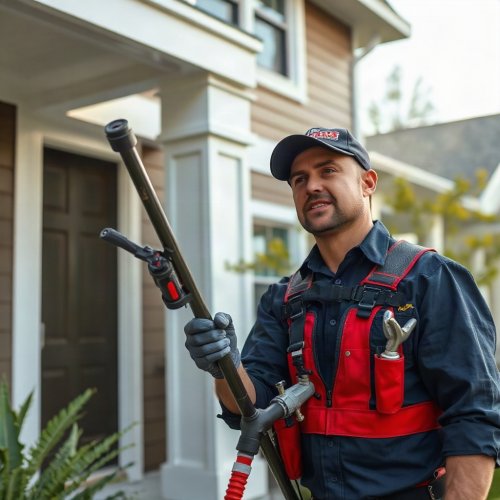
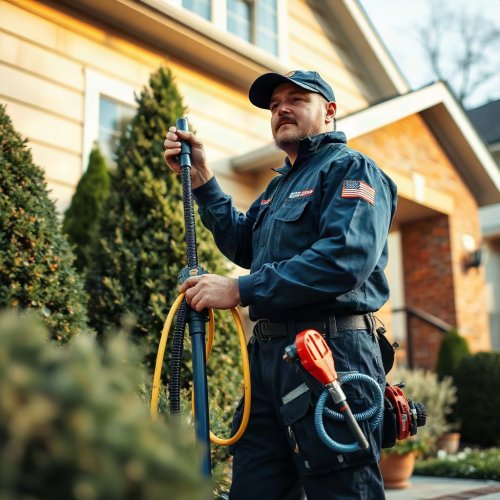
| Hydro-Jetting | Pipes are structurally sound but heavily choked with root masses and grease buildup. | Scours interior pipe walls clean down to the original material using high-pressure water streams. |
| Spot Clamp / Sleeve Repair | Root intrusion is isolated to a single, localized pipe joint or short crack. | Requires minor excavation, balancing soil stability against local water table depths. |
| Trenchless Epoxy Lining | Pipes have multiple root entry points but retain a stable structural grade. | Minimizes surface disruption under historic New Orleans masonry, porches, and driveways. |
| Full Pipe Replacement | Pipes are completely collapsed, bellied, or heavily offset due to soil subsidence. | Required for severely deteriorated vintage cast iron or crushed clay sewer laterals. |
Pricing factors for sewer repairs in the New Orleans metropolitan area depend heavily on depth of burial, accessibility beneath raised historic crawlspaces versus concrete slab foundations, proximity to municipal connections, and local municipal permit requirements. Consulting a qualified plumbing professional for a targeted camera inspection ensures you understand the precise condition of your underground infrastructure before committing to major capital expenditures.
Frequently Asked Questions About Sewer Line Root Intrusions
How do tree roots enter underground sewer pipes?
Tree roots naturally seek out moisture and nutrients. They penetrate sewer lines through microscopic cracks, loose push-joints, or deteriorated seals in aging pipe systems, expanding rapidly once inside due to constant wastewater exposure.
Can chemical root killers permanently destroy tree roots inside a sewer line?
Foaming root killers containing herbicides like dichlobenil can inhibit root growth and kill roots inside the pipe, but they cannot remove physical root masses or repair the structural cracks that allowed the intrusion to occur.
Why do multiple drains back up simultaneously when tree roots are present?
When a dense root ball forms in the main sewer lateral—the single pipe carrying wastewater from all household fixtures out to the municipal main—it creates a bottleneck that blocks downstream flow, causing wastewater to back up into the lowest home fixtures.
Is hydro-jetting safe for old cast-iron sewer pipes found in historic New Orleans homes?
Hydro-jetting is highly effective, but an experienced technician must first inspect the pipe via camera. If a cast-iron pipe is severely corroded or thin-walled, high-pressure water can cause structural failure, requiring alternative repair strategies.
How can I prevent tree roots from returning after a sewer line clearing?
Long-term prevention requires addressing the structural defects in the pipe via trenchless epoxy lining or pipe replacement, and strategically removing aggressive root-heavy trees planted too close to underground utility lines.