Common Causes of Low Water Pressure in Historic New Orleans Homes
Discover why historic New Orleans homes experience low water pressure. Learn about legacy galvanized pipes, mineral buildup, and local plumbing factors.


Living in a historic New Orleans home—whether it is a classic Creole cottage in Faubourg Marigny or a grand Uptown Victorian—comes with undeniable architectural charm. However, these older properties often present unique mechanical challenges. One of the most frequent complaints homeowners and property managers share is frustratingly low water pressure. When you turn on a vintage clawfoot tub faucet or step into a shower and experience a weak trickle, it is rarely just an inconvenience; it is usually a symptom of an underlying plumbing issue specific to older infrastructure.
As a professional working in the region, I regularly see how decades of mineral accumulation, outdated piping materials, and municipal supply dynamics intersect in local properties. Understanding why water pressure drops in older houses is the first step toward restoring reliable flow throughout your property.
The Impact of Aging Galvanized Steel Pipes
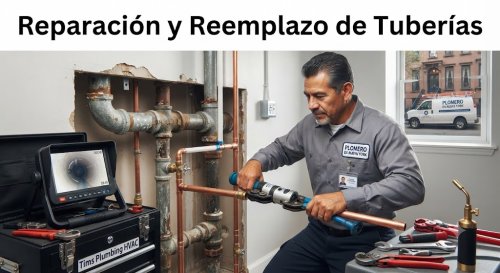
Many historic properties in New Orleans were originally plumbed with galvanized steel pipes or have sections of them still hiding behind lath-and-plaster walls. While incredibly durable for their era, galvanized pipes have a finite lifespan—typically 40 to 50 years.
Over decades of exposure to mineral-rich water, the zinc coating on the inside of these pipes corrodes and flakes off. This corrosion creates rough internal surfaces that trap debris and cause mineral buildup, known as scaling. As the inner diameter of the pipe progressively narrows, water flow becomes heavily restricted. If your water pressure drops significantly when multiple fixtures are used at once, heavily corroded galvanized supply lines are often the primary culprit.
Mineral Scale and Sediment Accumulation in Fixtures
New Orleans water is sourced from the Mississippi River and undergoes rigorous municipal treatment. Even so, small amounts of calcium, magnesium, and other minerals can travel through the municipal water mains and settle within household plumbing systems.
- Aerators and Showerheads: Over time, mineral deposits clog the tiny mesh screens on sink aerators and showerhead nozzles. This localized blockage mimics a whole-house pressure drop, even though the main supply is fine.
- Water Heaters and Supply Valves: Sediment can also accumulate at the bottom of older water heaters or inside shut-off valves, restricting the volume of water passing through to specific fixtures.
Simple routine maintenance, such as unscrewing and soaking faucet aerators in a vinegar solution, can quickly resolve localized pressure issues if scaling is the only factor.
Corroded or Partially Closed Main Shut-Off Valves
Historic homes often feature older gate valves or globe valves as the primary water shut-off point where the supply line enters the house. Older brass or iron valves can become corroded internally. If a valve is not fully open—or if the internal gate has detached and is partially blocking the waterway—water volume will drop drastically across the entire property.
Checking the main shut-off valve to ensure it is opened completely is a quick diagnostic step, but caution is required with vintage valves, as forcing a stuck valve can cause older metal stems to snap or leak.
Municipal Supply Pressures and Neighborhood Infrastructure
Sometimes the root cause of low water pressure originates outside your property line. New Orleans features a complex network of aging municipal water mains managed by the Sewerage and Water Board of New Orleans (SWBNO). Neighborhoods with very old water mains may experience fluctuating or inherently lower baseline pressure, particularly during peak usage hours in the morning and evening.
If your neighbors are experiencing similar weakness or if pressure changes dramatically throughout the day, utility supply factors may be influencing your home's performance.
Diagnostic Steps and Long-Term Solutions
Pinpointing the exact cause of low water pressure requires a systematic approach:
- Isolate the Problem: Determine whether the low pressure affects only one fixture (indicating a clogged aerator or closed supply valve) or every faucet and shower in the house (indicating supply line restriction or pressure regulator issues).
- Inspect Accessible Piping: Look at basement crawlspaces, utility areas, or exposed basement ceilings to identify whether old galvanized piping is still actively distributing water.
- Evaluate Pipe Replacement: In many historic New Orleans homes with severely scaled galvanized systems, spot repairs offer only temporary relief. Repiping affected sections with modern PEX or copper piping provides a permanent solution to restore robust water flow.
Restoring proper water pressure in a historic New Orleans home preserves its livability while protecting its valuable plumbing infrastructure from further strain.